How Do You Know If Your Child's Math Tutoring is Actually Working?
Most parents waiting for the report card are waiting too long. In this blog, we discuss 10 signs shared by parents themselves across social media and review pages, that show math tutoring is working well before the actual annual results come.

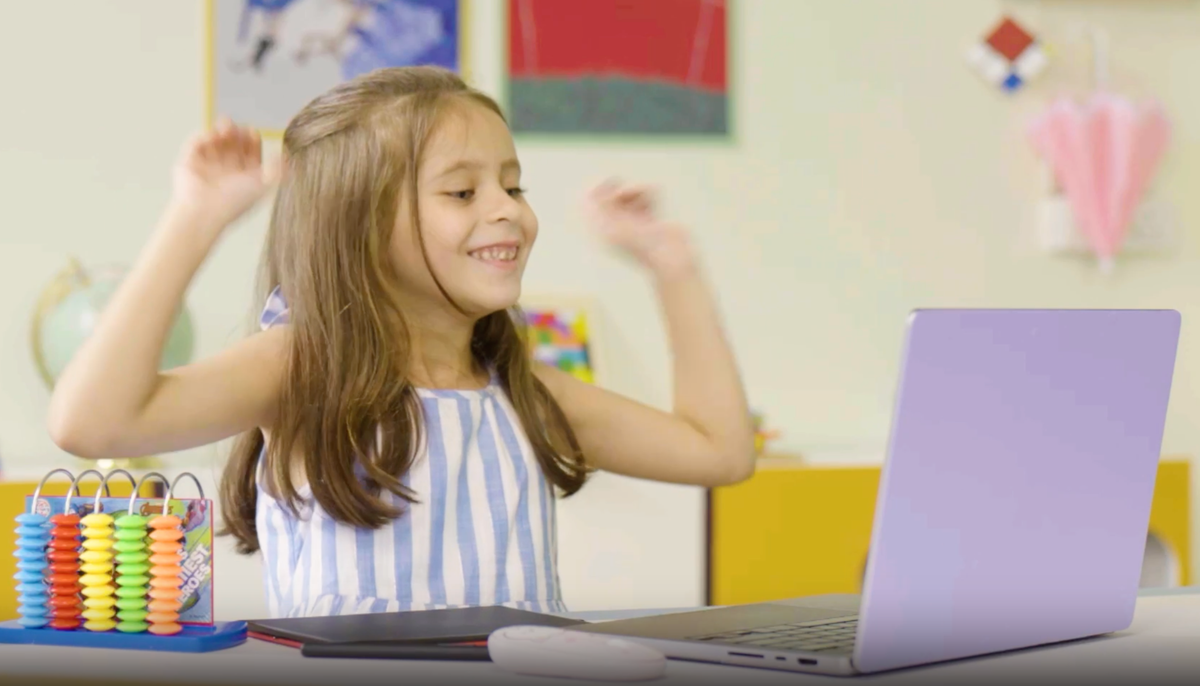
Most parents enroll their child in a math program and then wait for the next report card, the next test, the feedback call from the tutor that never quite answers the real question. It puts you in a position where you have already spent months and money.
Then, there are faster signals. They show up in how your child behaves the morning before the class. Whether they bring up math without being asked.
So, we read a couple of posts across Reddit (r/homeschool, r/Parenting, and r/Tutoring) to find those moments and turned them into 10 major signs. And if you're a Cuemath parent reading this: these are the exact signs parents tell us they start noticing. Not because we claim it, but because of how the program is built.
- Grade improvement is far-sighted. Behavioral and emotional changes come first. Look for those.
- The first sign: your child stops believing that they can't do math.
- The most underrated sign: the anxiety around math disappears, for both the child and the parent.
- "My child loves their tutor" is not a soft signal. Research shows the tutor-student relationship accounts for math success..
- When a school tutor volunteers that something has changed, the improvement is real, tutors don't compliment programs they don't notice.
Quick Check: Is Your Child's Tutoring Working?
Sit down with your child, and use this as a primary checklist before reading the full signs. Be honest with the answers. We have created this checklist based on what parents actually reported.
10 Signs Your Child's Math Tutoring Is Actually Working
Before we discuss each sign in detail, here's the full list. Take a print, sit down with your child, and check off what you are already seeing.
Sign 1: Your child stops believing the problem is them
This is the one most parents miss because it doesn't look like academic progress. It looks like a quiet shift in how your child talks about themselves. A child who has struggled with math for a long time starts believing that they are the problem.
At Cuemath, the tutors first work to dismantle that belief before it does anything else.
Look at this Reddit comment from a mother.
This foundational change in confidence is important for every other academic improvement in the future. A child who believes they can solve math problems on their own will likely challenge themselves in the future, compared to a child who doesn't, regardless of how many classes they attend.
Watch for it in how your child talks about math when they are not in a class. "I almost got it" or "I want to try again" means it is working.
Cuemath nudges the child to talk more than the tutor, thinking out loud for a deeper understanding of math concepts.
Sign 2: You see a visible improvement in what they can actually do
This is different from grade improvement. A grade can go up because the test got easier. This sign is about capability, something they couldn't do three weeks ago that they can do now, without any prompting.
The second quote matters as much as the first. A child reading a 400-page reference book voluntarily is not just demonstrating skill. They are demonstrating that learning no longer feels like a chore. The output is the proof, not what you were told the output would be.
In math, this shows up as: solving a problem type that stumped them last month without asking for help. Attempting a harder question on their own initiative. Explaining to a sibling how something works. These are the visible capability jumps that precede any report card change.
Sign 3: The anxiety around math disappears
This one is about you as much as your child. When tutoring is working, the math anxiety, homework battles, the dread before test week, and the daily negotiation to get them to sit down and practice quietly stop.
 Vibhuti Chopra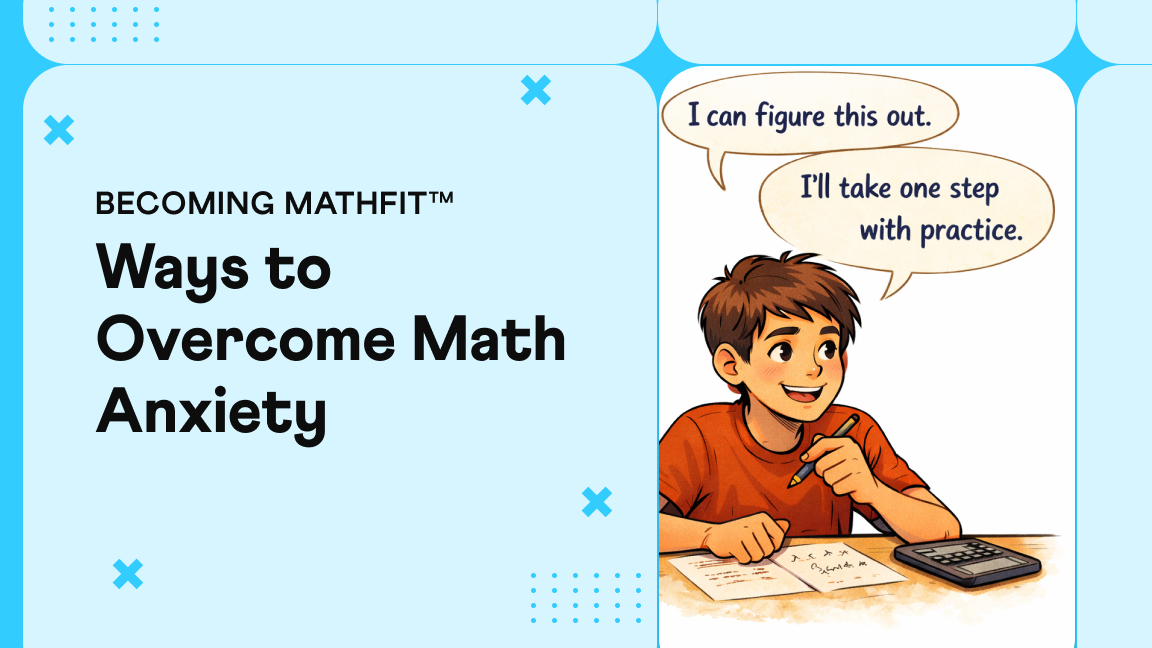
When tutoring is working, parents describe the moment they stopped dreading those interactions. Not because the child suddenly became a math champion, but because the personalization works in the favour of the child, and the child stopped white-knuckling their way through every session.
 Nikita Joshi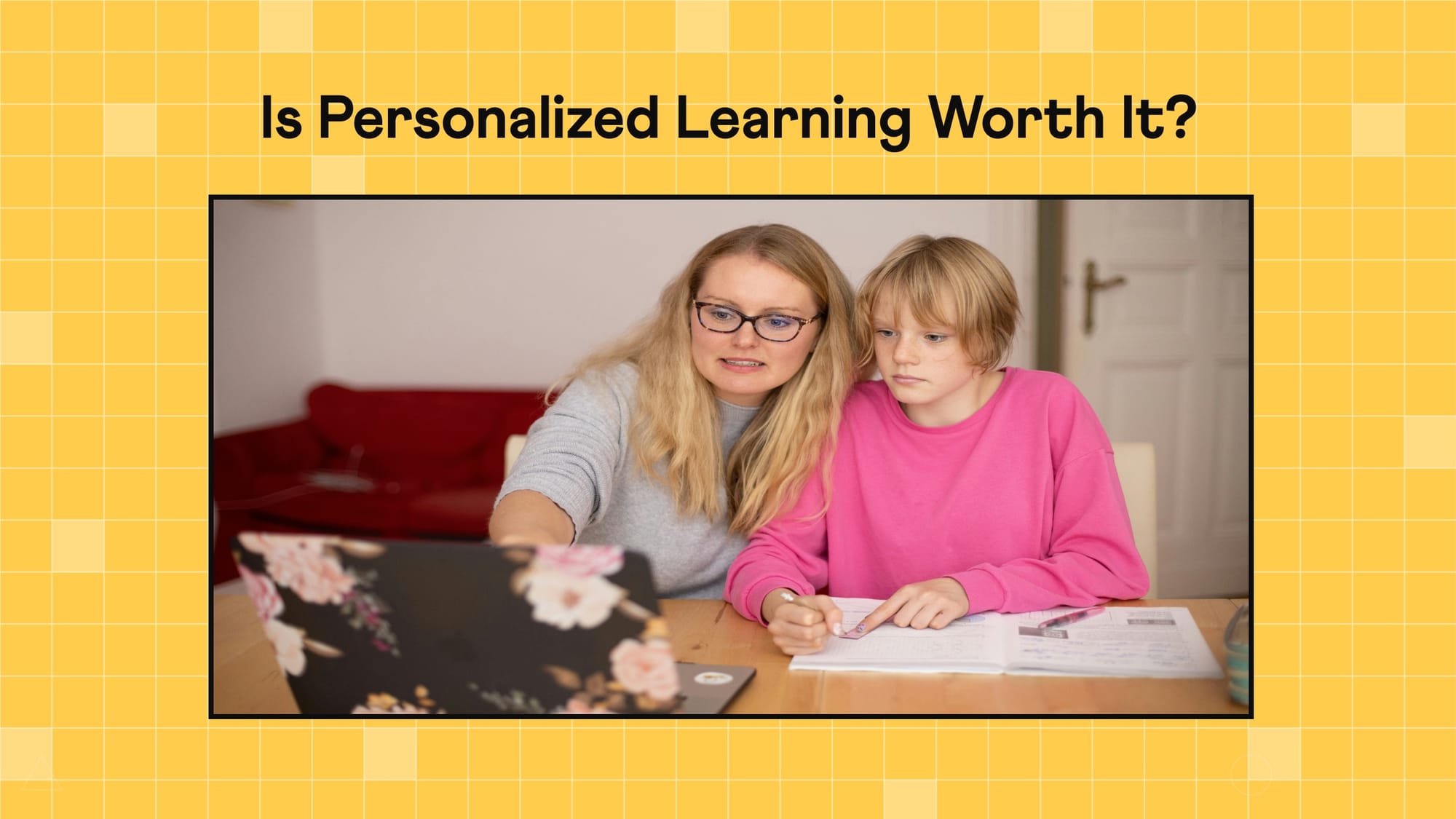
Sign 4: Your child goes to math classes without a fight
This is the one that parents in r/Kumon describe most. The shift from resistance to willingness, or better, willingness to eagerness, is one of the clearest early indicators that the tutor match and program fit are working.
A child who used to need to be reminded, bargained with, or threatened to attend a session, and now just goes, has decided at a deeper level than "this helps my grades." They've decided this is worth their time. That is not a small signal.
Read our blog on the effect of the one tutor, one student model on academic success and confidence:
 Nikita Joshi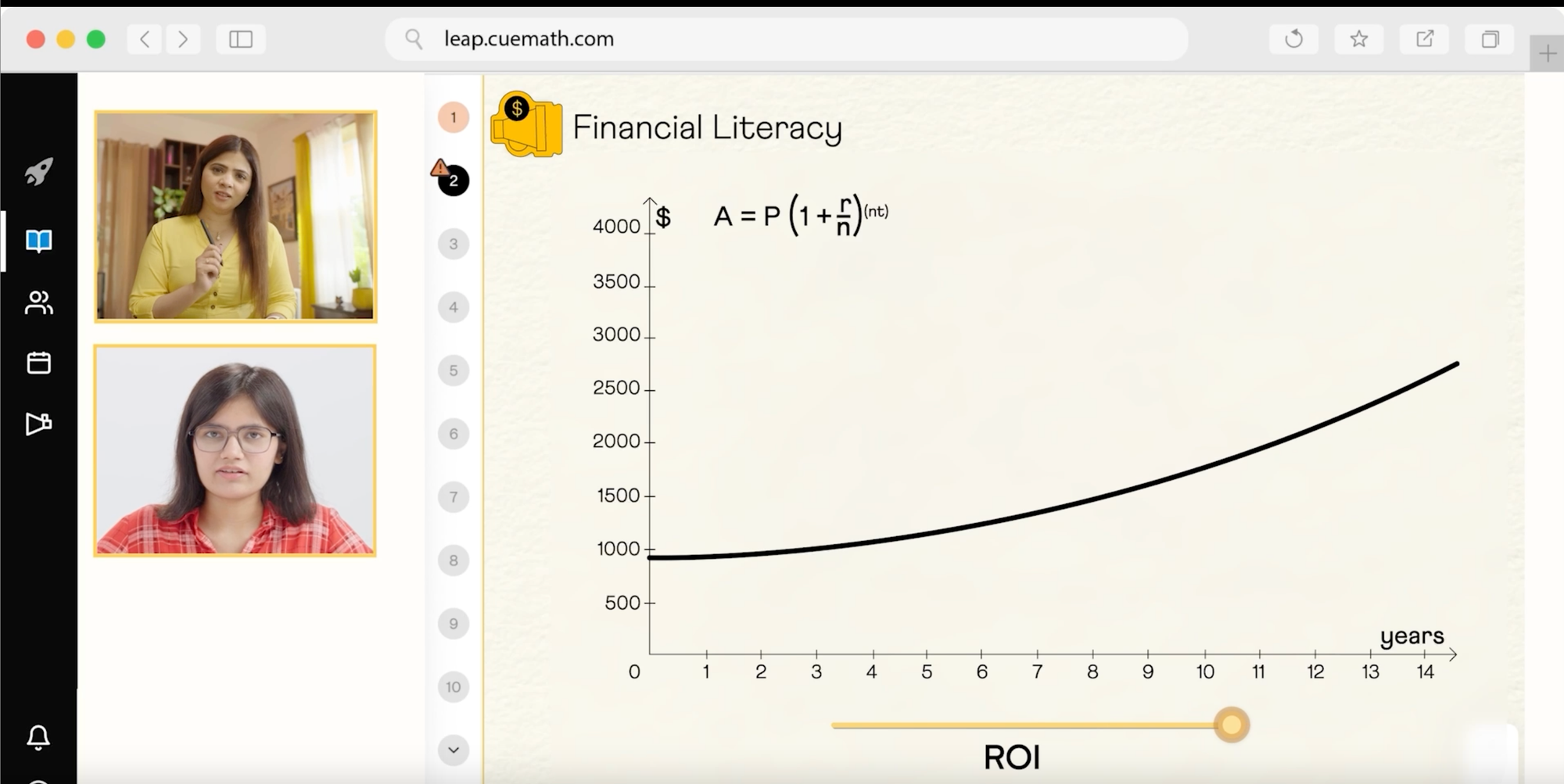
Sign 5: Your child is visibly happy during the session itself
This is different from "they don't complain." This is the parent observing their child mid-session and seeing something they didn't expect: engagement, laughter, focus that doesn't look like effort.
Notice what this parent is saying: homework is still a battle at home. But in the session, the same child is happy. The problem is not math; the difference is the math tutor and the environment. "The tutor is not strict and says he can try next time", is what made the difference.
In-session happiness is not a soft indicator. It is the real-time signal that a child is in a learning state rather than a threat state. Children in threat mode (fear of judgment, fear of being wrong) cannot access working memory properly. Happy children are learning.
Wondering If These Signs Would Show Up With Cuemath?
Cuemath students show measurable improvement. See what one free live session looks like for your child.
Book a Free Class200,000+ students • 4.9+ rating • 80+ countries
Sign 6: Your child asks to go back to the same tutor
This sign shows up when tutoring is unexpectedly interrupted, such as a break, a schedule change, or a platform reassignment, and your child's first response is to ask for the same person back.
This is loyalty behavior, and it only appears when something genuine has been built. The parent wasn't shopping for a better price or a different methodology. They wanted the specific tutor. That distinction tells you everything about whether tutoring is working.
Sign 7: Your child says they love their math tutor
Love is a strong word for a child to use about academic work.
"Loves working with her" is the specific phrase US parents use in community forums when they have found a tutoring match that worked. They don't say "my daughter likes the sessions" or "she's okay with it."
According to research on the tutor-student bond, it predicts measurable academic improvement. The relationship is not the context for learning. It is the mechanism.
Sign 8: You start asking for progress data, and the tutor can actually show it to you
This sign is about the data loop between parent, tutor, and child. When tutoring is working, parents start asking for specifics. The question shifts from "how is it going?" to "what exactly have you covered and how is she doing on each part?"
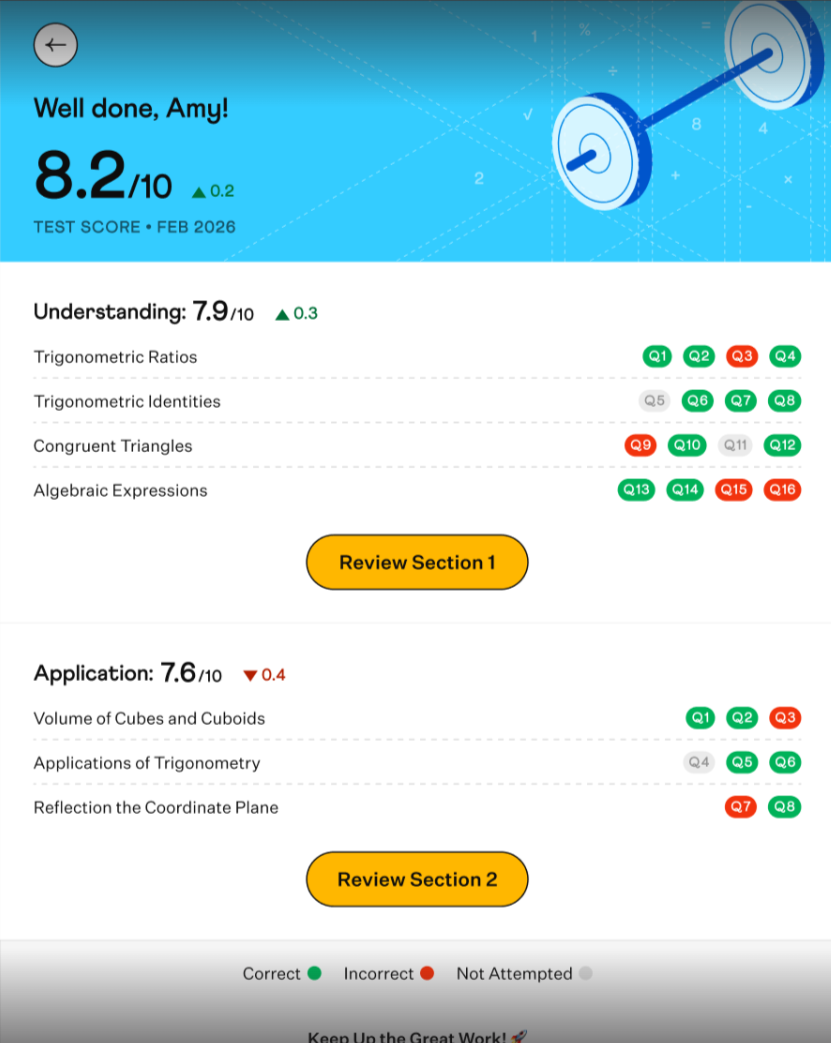
This quote is from a tutor, not a parent, but what it reveals about parent behavior is the sign. Parents consistently ask for evidence of improvement. When a tutor can only say "they're doing well, I think," that's not enough. When a tutor can show you a month-over-month score trend, specific topics mastered, and gaps remaining, that's a program that treats progress as measurable, not assumed.
The parent who stops asking "how is it going?" and starts asking for a report is a parent who has moved from hoping tutoring is working to expecting to be shown it.
 Pooja Purohit
Sign 9: School gets easier, not just the tests, the whole experience
This sign is less about academic performance and more about daily friction. When school math becomes easy for students, it means math tutoring has done something more durable than improve a test score. It has changed the child's relationship with math.
Watch for: fewer mentions of math being hard. Willingness to attempt homework without waiting for help. Going into class without asking, "Are we doing math today?" is a warning.
Sign 10: Your child's school teacher notices before you have to ask
When a teacher volunteers positive feedback, unprompted, at a pickup, in an email out of nowhere, that is the most externally validated sign tutoring is working that exists. Teachers don't compliment programs they haven't noticed. They don't describe improvements they can't see.
When your child's teacher uses that phrase without you prompting them, you don't need to wonder anymore.


What to Do If the Signs Aren't Showing Up?
Six to eight weeks in, and none of these signals have appeared. Three things are worth checking, in this order.
First: Ask for a written progress report with actual data. Not "how is she doing?", specifically ask for the topics covered, where she's performing well, and where gaps remain. If the tutor can't produce that, that's a meaningful answer.
Second: Ask whether the pace has been customized to your child specifically. Has the session difficulty adjusted as your child moved through the material? Has the tutor identified any particular patterns in where your child gets stuck? A program running at a generic pace for your child's grade level, rather than your child's actual level, will produce generic results.
Third: Consider whether the tutor match itself is the issue. A tutor mismatch rarely shows up first in test scores. It shows up in how the child feels about going to class. The program may be fine, but the person delivering it isn't the right fit. Request for a tutor change.
How Cuemath is Built Around Every One of These Signs?
Cuemath wasn't designed around a curriculum first. It was designed around what parents actually look for, and what children actually need for math to click. The 10 signs above aren't aspirational benchmarks for Cuemath parents. They're what the features exist to produce.
| Sign | Cuemath Feature That Delivers It |
|---|---|
| 1. Child stops believing the problem is them | GRIC mindset framework (Confidence dimension) · "Cue, don't tell" methodology |
| 2. Visible jump in capability | Monthly MathFit Assessments · Trackable 3–10 score with section breakdowns · Parent progress reports |
| 3. Household anxiety disappears | LEAP adaptive platform · "Right zone" pacing · 100% of tutor's focus in every 1:1 session |
| 4. Goes to sessions without a fight | Looping model, same tutor every session · Brain teasers and challenges in every class structure |
| 5. Happy during sessions | Talk-o-Meter (engagement tracking) · Tutors trained in child psychology · Mistakes probed, never penalized |
| 6. Asks to go back to the same tutor | Looping model as a structural default, not a feature to request |
| 7. Says they love their tutor | Top 1% tutor selection · Matched to child's pace and personality · Trained in math + child psychology |
| 8. Parents ask for data, tutor has it | Parent dashboard · Tutor notes after every session · Monthly MathFit Assessment reports |
| 9. School gets easier | Curriculum V3.1 aligned to US Common Core State Standards · Sessions map directly to what's taught in class |
| 10. Teacher notices unprompted | 95% of students show measurable improvement · MathFit builds understanding, not just procedural recall |
If you're evaluating math tutoring programs and any of these signs are the ones you're looking for, the free class is the fastest way to see whether the experience delivers on them.
See the Signs for Yourself, Use the Free Class
Live, 1-on-1, with a real Cuemath tutor. No commitment. The first session is free.
Try a Free Cuemath Class200,000+ students • 4.9+ rating • 80+ countries
Frequently Asked Questions
How long does it take to know if math tutoring is working?
Most behavioral signs — willingness to attend sessions, in-session engagement, reduced anxiety at home — appear within 3 to 6 weeks of consistent tutoring. Grade improvements typically follow at 6 to 12 weeks. If none of the behavioral signs have appeared after 8 weeks, that's a signal worth investigating — either the pace isn't right for your child or the tutor match needs revisiting.
What is the number one sign that math tutoring is working?
The earliest and most reliable sign is that your child stops believing the problem is them. Before any grade moves, a child who has found the right tutoring environment will shift from "I can't do math" to "I'm getting better at this." That change in self-narrative precedes every measurable academic improvement that follows.
Should I wait for report cards to evaluate tutoring?
No. Report cards are a lagging indicator — they reflect learning that happened weeks or months earlier. By the time a grade improves, the real work has already been done. The 10 signs in this guide are leading indicators: behavioral and emotional changes that appear well before any official assessment. Waiting for report cards means waiting for the last signal instead of the first.
What does it mean if my child likes their tutor but grades aren't improving yet?
It's a good sign, not a bad one. Research on the tutor-student relationship shows that a strong bond is one of the primary mechanisms through which academic improvement happens — not a supplement to it. A child who likes their tutor attends more consistently, participates more actively, and retains more. The grade improvement usually follows the relationship bond by several weeks. Keep going.
How do I know if my child's tutoring pace is right for them?
The right pace is one where your child is challenged but not overwhelmed — what some educators call the "right zone." Signs the pace is too slow: your child seems bored or completes work without real effort. Signs the pace is too fast: your child appears stressed, shuts down during sessions, or avoids practicing outside of them. A good tutoring program adjusts pace based on mastery, not a fixed schedule.
My child's school teacher hasn't said anything. Does that mean tutoring isn't working?
Not necessarily. Teachers observe dozens of students and don't always report incremental changes unless asked. A teacher volunteering positive feedback is a strong positive signal — but the absence of that feedback isn't a negative one. Use the other signs in this guide to assess progress at home, and if you want school-level input, reach out directly to the teacher after 8–10 weeks of consistent tutoring.
What should I do if my child resists going to tutoring sessions?
Resistance to sessions is a signal worth taking seriously. It's rarely about the subject matter, it's usually about the tutor, the environment, or the pace. Before concluding the program isn't right, check whether the specific tutor is a good match. A child who fights going to one tutor may go willingly with a different one. The question to ask isn't "does my child want to do math tutoring", it's "does my child want to work with this person?"
How is Cuemath's progress tracking different from other tutoring programs?
Most tutoring programs rely on the tutor's subjective assessment of how a child is doing. Cuemath has a structured measurement layer: monthly MathFit Assessments that produce a trackable score across Fluency, Understanding, Application, and Reasoning. Parents receive the full report — score, section breakdown, and month-over-month trends — automatically. The parent dashboard also captures session notes after every class, so progress visibility isn't limited to formal assessment cycles.
Can math tutoring actually help with math anxiety?
Yes — and the mechanism is well-documented. Stanford neuroscientists found that 8 weeks of consistent 1:1 tutoring with the same tutor normalized the brain's fear response in math-anxious children, with amygdala activation returning to non-anxious levels. The key variable was tutor consistency: the same person, every session. A new tutor each week resets the effect entirely. For children with significant math anxiety, tutor continuity is not optional — it is the treatment.
At what point should I switch tutoring programs?
If none of the behavioral signs have appeared after 8 consistent weeks, and the tutor has adjusted pace, and a tutor change hasn't helped, that's a reasonable point to evaluate other options. Signs 1 (confidence shift), 3 (anxiety reduction), and 4 (willingness to attend) are the most telling. If those three are absent and progress data shows no measurable movement, the program structure or curriculum fit may be the issue, not just the individual tutor.
Sources
- r/homeschool — "What made you think THIS is why we homeschool" (Oct 2025)
- r/Kumon — "Did anyone study Kumon as a child and now have a child in Kumon?" (Jul 2025)
- r/VarsityTutors — "Beware of Varsity Deception" (Aug 2025)
- r/Tutoring — "Building a tool for tracking student math misconceptions" (Jan 2026)
- r/Tutoring — "Wiingy tutoring app" (Mar 2026)
- r/Kumon — "To any parents who want to put their kids in Kumon" (Feb 2021)
- r/Parenting — "I super underestimated how bad the screen time was" (May 2025)
- Supekar et al. (2015) — "Remediation of Childhood Math Anxiety," Journal of Neuroscience (Stanford)
- Cuemath Trustpilot Reviews — 9,667 reviews, 4.9 stars (verified Mar 2026)
- NAEP — The Nation's Report Card, Mathematics (National Center for Education Statistics)