
Personalized Learning in Math: Does It Actually Work or Is It Just an Expensive Gimmick?
Does personalized learning in math actually work, or is it just an expensive way of tutoring? We analyze what effective personalization means according to the research, and how 1:1 learning truly makes a difference.

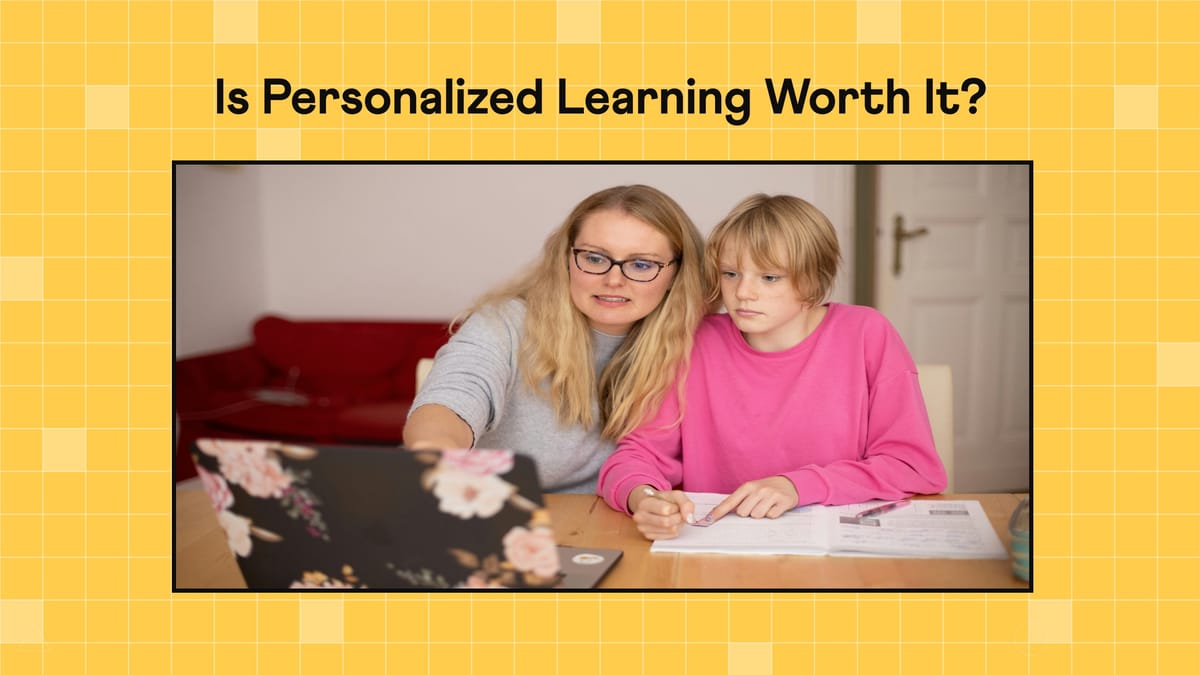
The traditional math classroom, with 30 kids and one teacher, is a system that’s failing a lot of students. It’s not the teacher's fault; it's the model.
From all the feedback I've seen, the biggest issue is that the one-size-fits-all pace is a myth.
- If a student is struggling, they feel overwhelmed, get anxious about looking stupid, and never ask the one question that could unlock everything.
- If a student is gifted, they're bored, check out, and never build the grit that comes from a real challenge.
This is precisely where 1:1 personalized learning comes in. Instead of a rigid curriculum, 1:1 tutoring tailors everything to the individual student – 100% customized, built on mastery, boosts student confidence.
After seeing so many claims and a wide range of prices, it's perfectly natural for a parent to be skeptical and ask the big question: Is personalized learning genuinely effective, or is it just an expensive gimmick?
Key Takeaways
- Personalized learning works when tutoring adapts to a child’s pace and gaps, instead of forcing every student to move together.
- In a group setting, students who fall behind in concepts stay confused, while those who comprehend faster might find it boring.
- Studies prove that personalized learning can help with conceptual understanding and confidenceover time—but results depend on how well it’s implemented, not on technology alone.
- Truly personalized learning combines adaptive curriculum, expert tutors, and an interactive learning platform.
- Effective personalization builds conceptual understanding, problem-solving ability, and long-term confidence in math.
What is Personalized Learning, Actually?
Personalized learning is a buzzword you'll hear from almost every tutoring company, but from my analysis, it boils down to one simple, powerful idea: The instruction adapts to your child, not the other way around.
This means the lesson plan is built around students' individual challenges, their learning pace, and their interests.
⁉️ But how does a tutor know what to personalize?
It is data-driven. Data in this context means using feedback from quizzes, questions, and tests to pinpoint exactly where a student needs support or a new challenge.
So, does this high-touch, data-driven approach actually deliver results? Let's set aside the marketing claims and examine what the research findings show.
Personalized Learning Isn’t Just a Trend, It’s Proven to Work
Multiple reputable studies have measured the impact of personalized learning on student outcomes, and the results are impressive.
- A comprehensive study by RAND Corporation found that students in personalized learning programs score 30% higher on standardized tests compared to peers in traditional classrooms.
- Schools adopting personalized learning also reported a 12% increase in student attendance and a 15% reduction in dropout rates.
- Beyond grades, personalized learning environments boost motivation and engagement: 75% of students in personalized settings reported feeling motivated to learn, compared to only 30% in traditional classrooms.
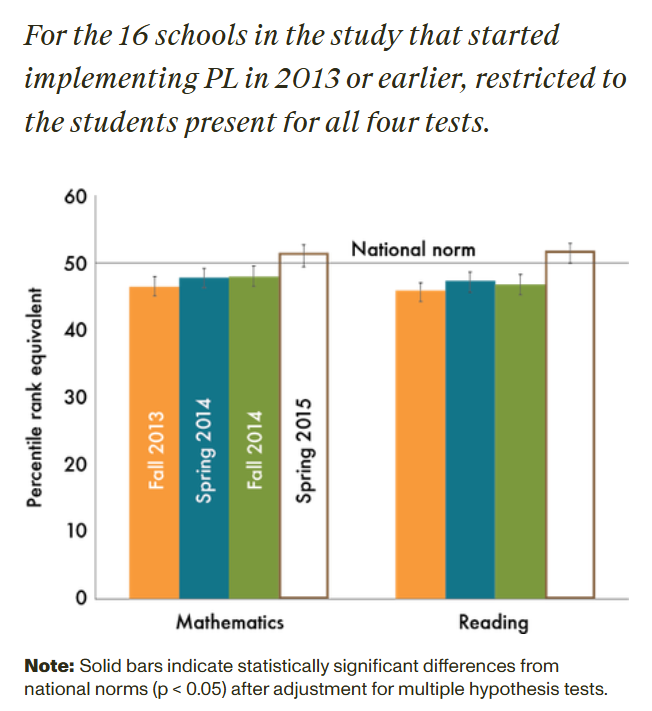
These numbers come from a combination of large-scale, peer-reviewed research studies and district-level reports, including work funded and analyzed by organizations such as the Bill & Melinda Gates Foundation and independent researchers at RAND.
In short, personalized learning isn't just a theory; it delivers measurable benefits to students, especially in math.
Personalized Learning is Still Evolving, But Cuemath Leads the Way
Personalized learning is still evolving.
- When you dig into the research, you find that most studies focus on a single tool (like one piece of adaptive software) rather than a complete program.
- Personalized learning only works when you combine it with a solid, well-designed curriculum and certified educators.
- The tutors should be trained to understand the child's psychology.
- Most schools and after-school tutoring programs simply don't have the resources to provide both of those things consistently for every student.
This is precisely where Cuemath stands apart:
- 100% Personalized Learning, Built Around Your Child
- Each child is paired with a carefully selected tutor from the top 1% of certified Math Tutors.
- These are not just teachers but mathematical coaches who guide students, encourage deep understanding, and problem-solving confidence.
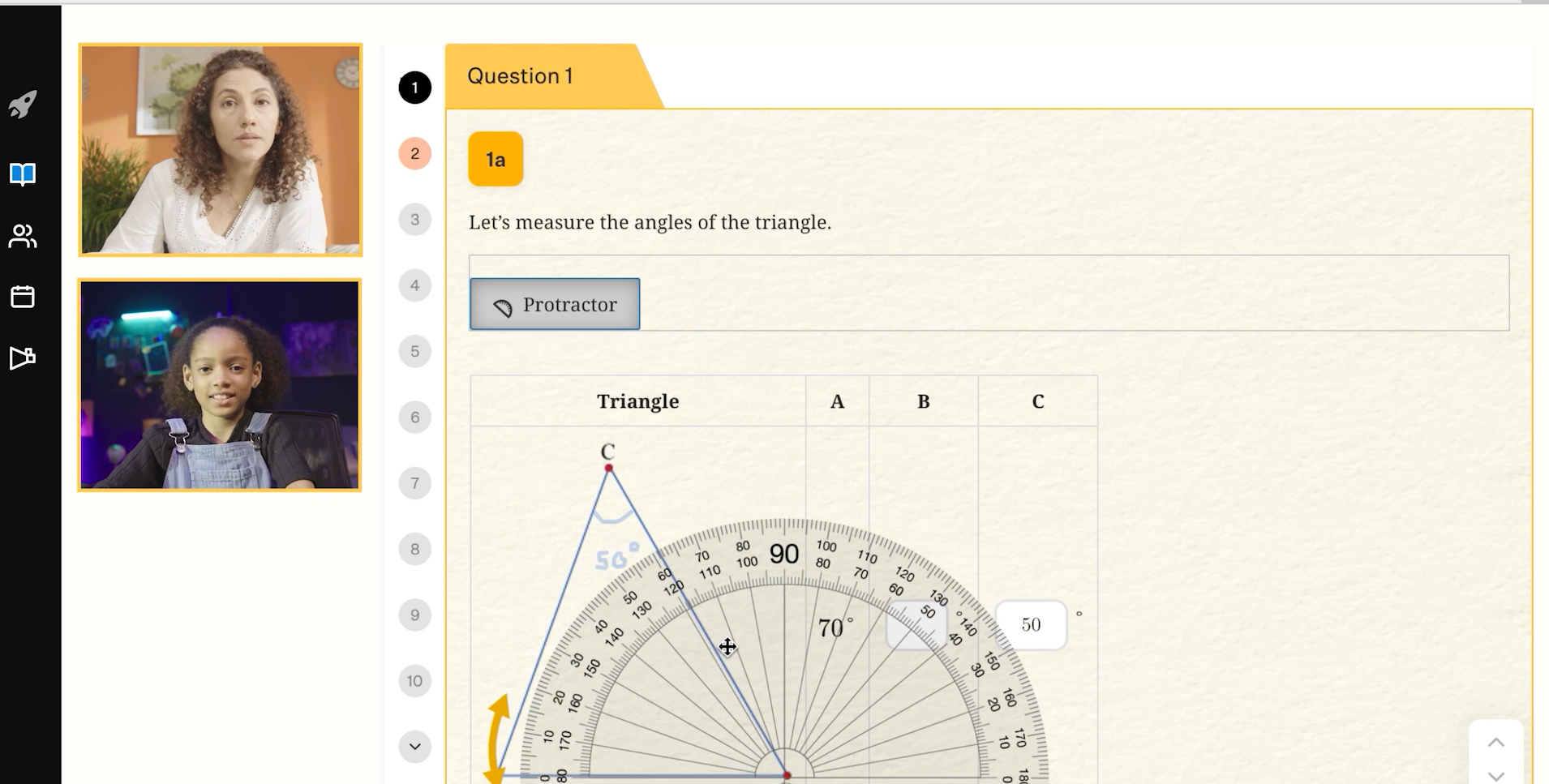
- Daily Mental Conditioning
- Students engage in scientifically designed daily exercises through the Cuemath app - logic puzzles, pattern recognition games, and conceptual challenges.
- These activities sharpen their mathematical thinking in just 15 minutes a day.
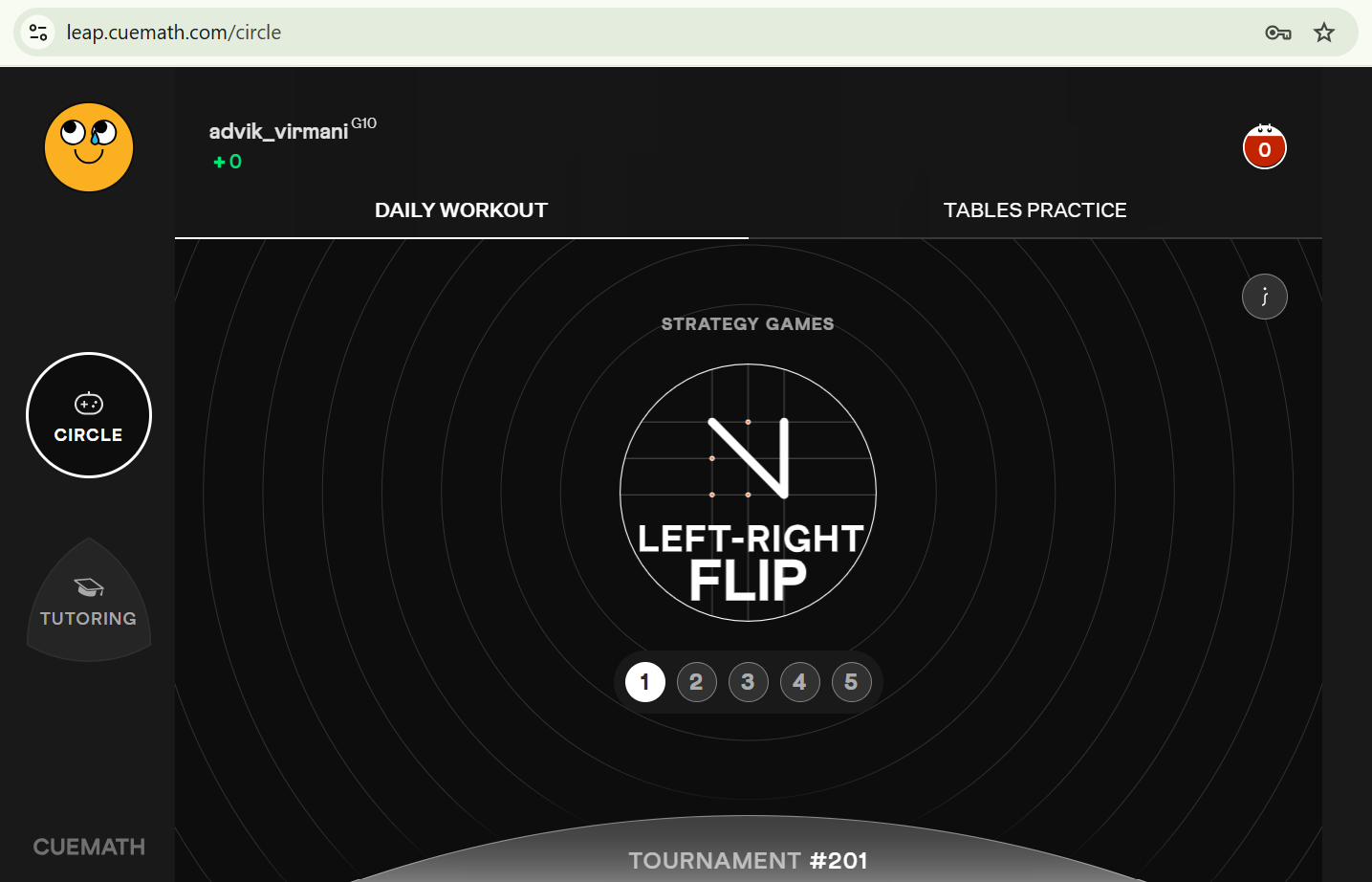
- Personalized, Effective Progress
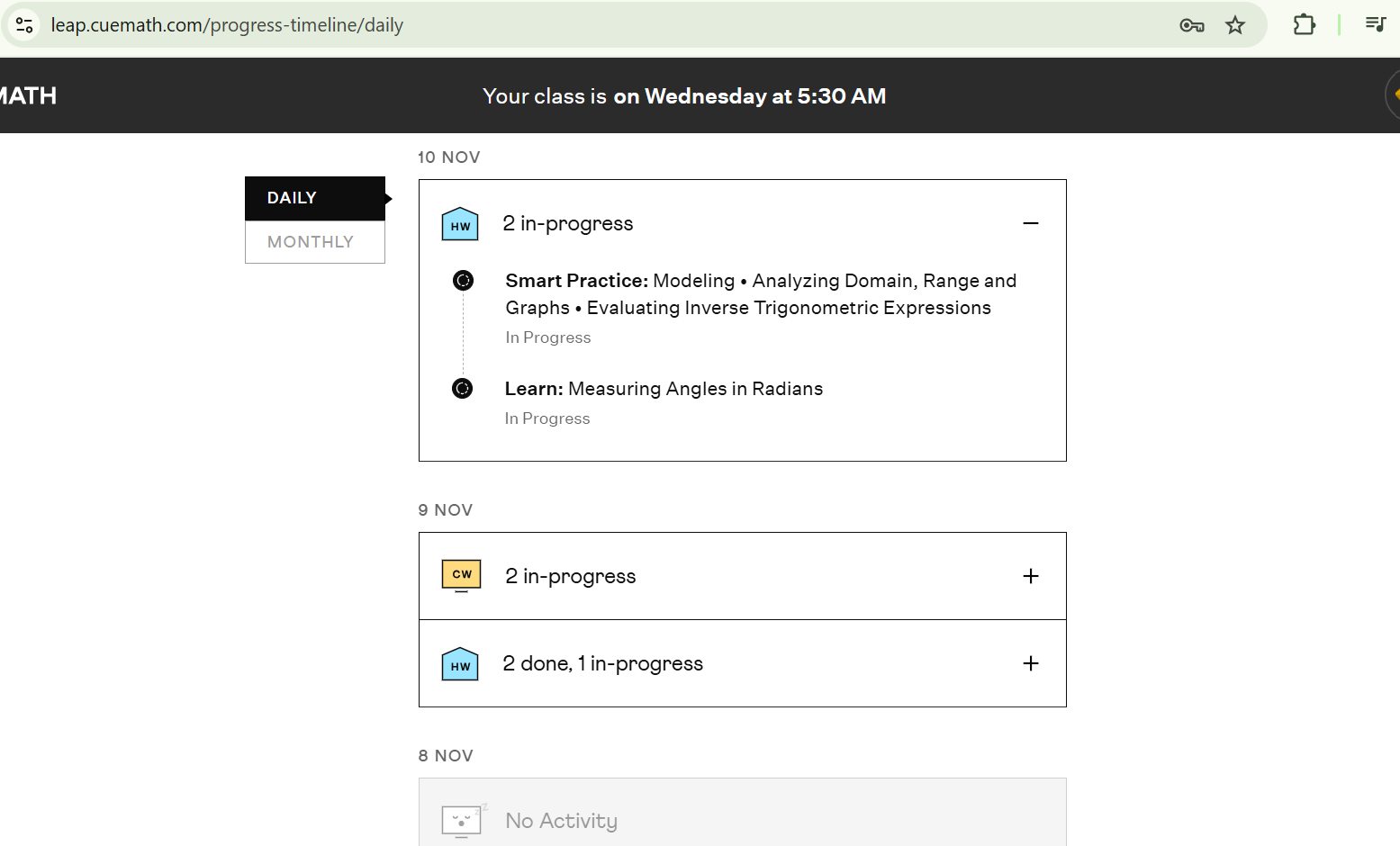
Cuemath’s platform continuously tracks student progress. Tutors can focus lessons on each child’s strengths and growth areas.
Together, these elements build what we call Mathematical Fitness or MathFit™ student – a comprehensive set of capabilities that includes conceptual strength, mental agility, logical endurance, and problem-solving power.
Read More Here:
 Pooja Purohit
Addressing the Real Challenges of Personalized Learning
Success with personalized learning takes more than just software. Here’s how Cuemath addresses the key challenges:
- Teacher quality and support matter. The tutors undergo rigorous training in mathematics and child psychology to deliver consistent, effective coaching that is Common Core aligned.
- Parent involvement is key. Tutors keep parents engaged with regular updates so you can support your child’s learning journey.
- Affordable and Transparent Pricing: While many personalized learning programs can be costly, Cuemath offers high-quality math classes starting at just $24 per class for high school students, making expert coaching accessible without breaking the bank.
More Insights on High School Tutoring Costs:
 Nikita Joshi
Unlike programs that overwhelm teachers or rely solely on technology, Cuemath blends human expertise and tech seamlessly, creating an environment where personalized learning truly works.
Recommendations for Parents

Unlike programs that overwhelm teachers or rely solely on technology, Cuemath seamlessly blends human expertise and technology, creating an environment where personalized learning truly works.
With Cuemath’s MathFit™ approach, your child will:
- Build a deep, conceptual understanding of math
- Learn at their own pace with expert coaching
- Develop the problem-solving mindset that today’s world demands
- Gain the confidence to tackle any math challenge, in school and beyond
Where Hard Work Turns Into Real Results
Give your child the same structured guidance that helped thousands of students succeed. Try a FREE live Cuemath class today.
Book a Free ClassFor Students in Grades K to 12 Worldwide
Frequently Asked Questions (FAQs)
Ques: What is the meaning of personalized learning?
Ans: Personalized learning is a 1:1 tutoring approach. Each child is paired with a dedicated tutor who guides them long-term. A tutor begins by assessing a child’s current strengths and challenges; say, they are great at reading but struggle with fractions.
From there, the tutor creates a series of focused lessons like targeted number‑sense games or reading comprehension exercises to help the child improve in those specific areas.
Ques: What are the 5 key components of personalized learning?
- Student Requirements: Students assess their own learning goals and needs.
- Flexible Learning Environments: Physical and digital spaces adjust to needs.
- Individual Mastery: Students advance after demonstrating understanding.
- Tailored Learning Paths: Tailored sequences and pace.
- 1:1 Progress Tracking: Comprehensive insights on strengths, interests, and preferences
Ques: What are some examples of personalized learning?
Ans: Here are some examples of personalized learning:
- Students learn at their own pace based on skill mastery.
- Teachers create custom lessons for each student’s needs.
- Students choose projects or topics that interest them.
- Adaptive software adjusts questions to students' abilities.
- Learners set goals with teachers and track their progress.
Ques: What does a personalized learning plan look like?
- Student Profile: Outlines strengths, interests, and initial assessment results
- Learning Goals: Sets specific, measurable academic or personal objectives
- Strategies & Activities: Lists methods and resources that match learning preferences
- Action Steps: Detail step-by-step processes and necessary tools or supports
- Progress Monitoring: Describes how progress will be tracked and plans updated

About the Author: Nikita Joshi
Edtech Writer @ Cuemath
5 years in edtech (content, curriculum & product research). I like to talk to Cuemath parents and participate in live classes, so what I write comes from what actually happens.
View My LinkedIn!
Read more

How Do You Know If Your Child's Math Tutoring is Actually Working?
Most parents waiting for the report card are waiting too long. In this blog, we discuss 10 signs shared by parents themselves across social media and review pages, that show math tutoring is working well before the actual annual results come.
17 Best Online Math Programs for Kids in the USA (2026)
We reviewed 17 online math programs for US families based on every Trustpilot score, price, and latest parent reviews to decide the best math programs for different student needs.
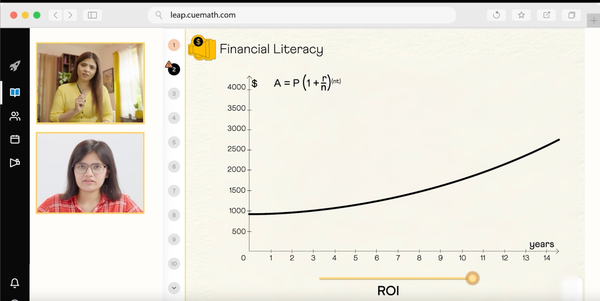
Why the Same Tutor Every Class Makes All the Difference (The Looping Model Explained)
When a child works with the same tutor every class, something shifts; not just in grades, but in how they feel about math entirely. Here's the science behind what educators call the 'looping model' and why Cuemath was built around it.

How to Study for the SAT Last Minute: The 72-Hour Rescue Plan
You have days, maybe hours, before your SAT. Good. Panic is wasted energy. If you're wondering how to study for the SAT at the last minute, what you need is a triage system: ruthless prioritization, the right SAT prep tips, and a clear head. Here's exactly what to do.