Best 1:1 Math Tutoring 2026: Cuemath vs Private Tutors
A clear breakdown of private tutoring vs Cuemath’s 1:1 online math classes—cost, quality, personalization, and what actually delivers better learning.

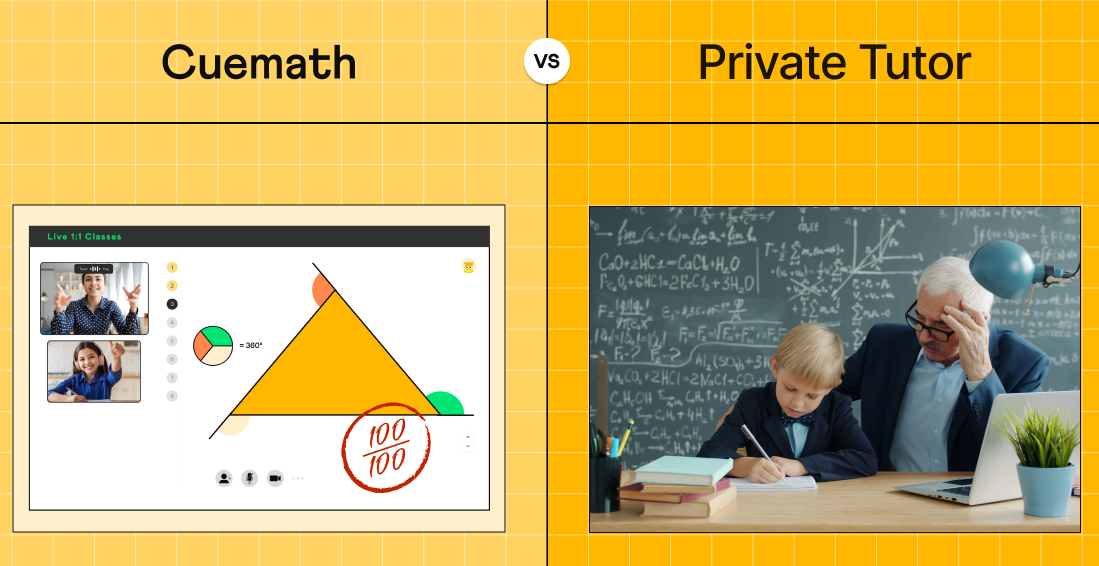
Over the last few years, I’ve seen the tutoring world change rapidly. Parents today aren’t just asking, “What’s the cheapest math tutoring option?”
More and more, I hear a better question:
“What’s actually worth paying for?”
And honestly, that’s the right way to think about it.
From what I’ve seen as an educator, the real deciding factor is not the price, but the Price-to-Personalization Ratio.
In simpler terms:
How much real, focused 1:1 expert attention does your child get for every dollar you spend?
On the surface, both private tutoring and online tutoring seem to offer the same thing—personalized attention. But when you look a little closer, the differences in learning outcomes, consistency, and long-term results become hard to ignore.
Key Takeaways
Private tutoring:
- It offers in-person, one-on-one help, but the quality heavily depends on the individual tutor.
- Costs are high, scheduling is rigid, and parents get little visibility into actual progress.
Cuemath’s One-on-One Live Online Tutoring:
- It delivers the same personal attention as a private tutor, with added structure, consistency, certified teachers, tech-powered learning, and full transparency.
- All of this comes at a more affordable price compared to traditional private tutoring.
Bottom line: Cuemath is the more consistent, scalable, and value-for-money one-on-one math tutoring option for most families in 2026.
What is Private tutoring?
Private tutoring is a form of personalized, one-on-one academic support provided by an individual tutor. It usually takes place in person — at the student’s home, the tutor’s home, or a tutoring center — and focuses on helping students improve in specific subjects such as math, reading, science, or test preparation.
Traditional private tutors work as independent professionals who charge hourly rates for their sessions. They typically use conventional tools like textbooks, worksheets, and paper-based practice. Private tutoring can be highly customized, but the quality, consistency, and teaching methods depend entirely on the individual tutor.
What Is Online Tutoring? How Cuemath Works
Online tutoring delivers personalized educational instruction through digital platforms using video conferencing technology. Cuemath's 1:1 online tutoring connects students with certified math educators via live video sessions featured on their exclusive platform, featuring:
2. Digital whiteboard collaboration for problem-solving
3. Simulations and gamified learning tools
4. Adaptive learning platform that personalizes the curriculum
5. Progress tracking and analytics for parents
6. Flexible scheduling with 24/7 availability
7. Curriculum-aligned content matching school standards
Key Difference: Unlike pre-recorded video lessons or group online classes, or any other Zoom class, Cuemath provides synchronous (live) one-on-one instruction, maintaining the personal attention of traditional tutoring while leveraging technology's advantages.
⭐ Ready to Give Your Child a Better Math Learning Experience?
Book a free Cuemath trial class today and experience how live, 1:1 personalized teaching can transform your child’s confidence and performance in math.
Private Tutoring vs Cuemath: 7 Critical Problems Parents Face and How Cuemath Solves Them
1️⃣High Cost of Private Tutoring:
How much does private tutoring cost? In the United States, private tutoring costs typically range from $40 to $150 per hour, with averages around $50- $80/hour. Specialized tutoring (test prep, advanced subjects) commands $100-$200/hour.
Real Cost Breakdown:
- Basic tutoring: $60/hour × 2 sessions/week = $480/month ($5,760/year)
- Advanced subjects: $100/hour × 2 sessions/week = $800/month ($9,600/year)
- Multiple children: Costs multiply proportionally
- Test prep intensive: $150/hour × 3 sessions/week = $1,800/month
Hidden costs include:
- Transportation time (2-3 hours weekly)
- Gas and vehicle expenses
- Rescheduling fees
- Material costs
Financial barrier reality: For a median U.S. household income (~$75,000), spending $6,000-$10,000 annually on tutoring represents 8-13% of gross income, making private quality tutoring accessible primarily to affluent families.
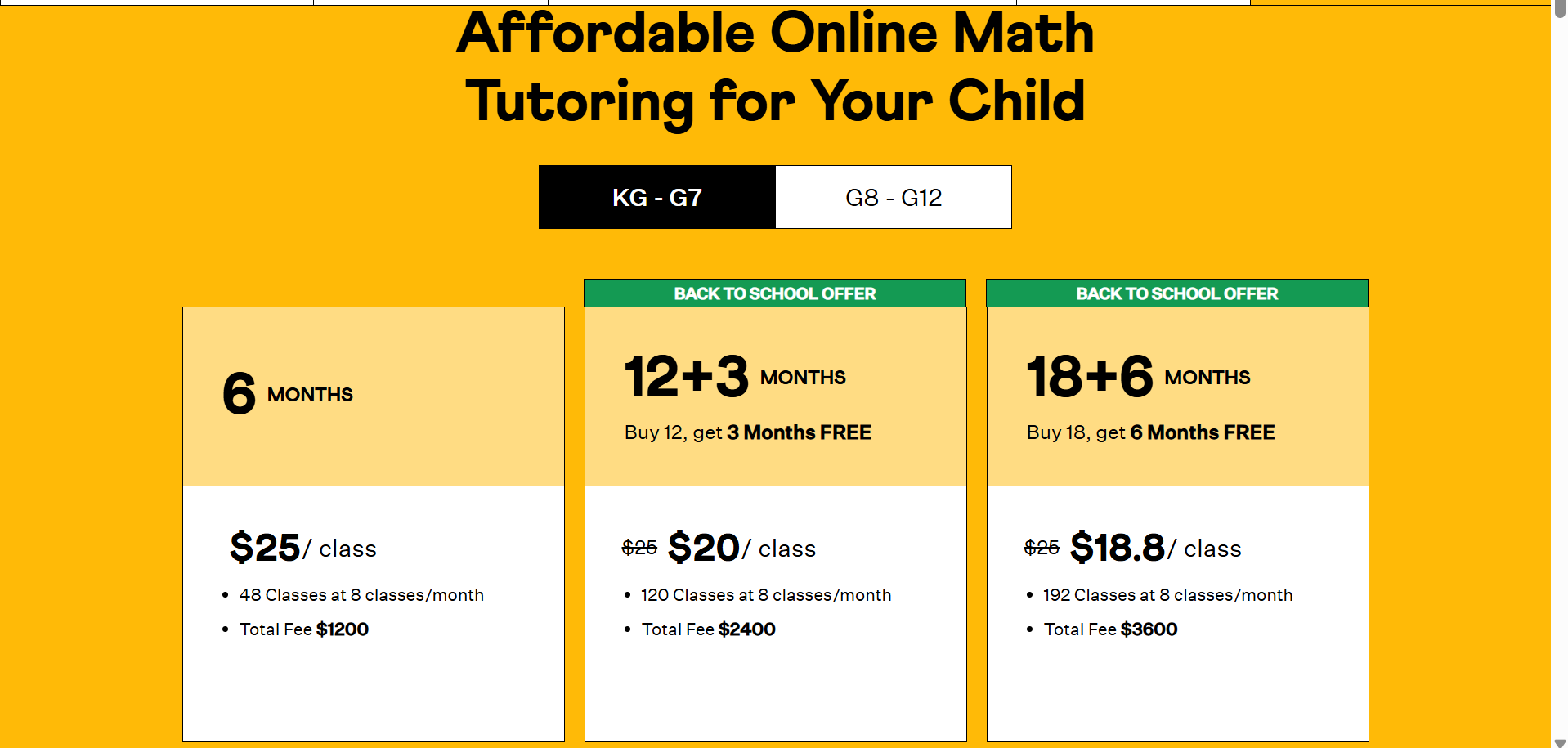
Cuemath’s 1:1 online math classes eliminate travel time, overhead, and location-based pricing, making high-quality tutoring accessible at a reasonable cost and with flexible payment options.
2️⃣Geographic Inequality: The Private Tutor Availability Crisis
Where you live determines access to learning — a problem compounding educational inequality.
Rural and suburban challenges:
- Limited tutor availability, especially for advanced subjects and test prep (calculus, AP courses, SAT prep)
- 50+ mile travel distances to quality tutors
Urban cost premium:
- 30-50% higher rates due to the cost of living
- High demand creates scheduling scarcity
- Peak time competition (after school, weekends)
Your child gets access to a talented and skilled pool of certified math teachers—no matter where you live.
3️⃣Quality Inconsistency: The Credential and Training Gap of Private Tutors
Not all tutors are qualified teachers — a critical distinction many parents discover too late.
Major quality concerns:
Lack of standardized requirements:
- Many states have zero licensing requirements for private tutors
- No mandatory background checks in most jurisdictions
- No pedagogical training verification
- Subject knowledge doesn't equal teaching ability
- Self-taught "experts" lacking formal training
No accountability mechanisms:
- Zero oversight or quality monitoring
- No curriculum standards
- Inconsistent teaching methodologies
Cuemath tutors are rigorously trained, certified, and continuously evaluated.
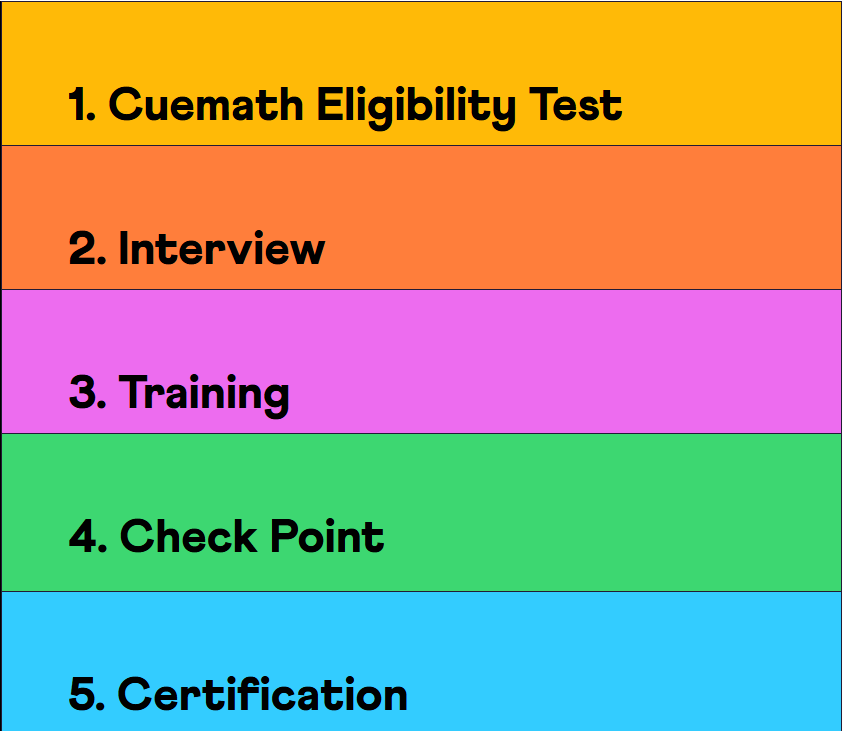
Parents don’t get “whoever is available”—they get someone skilled, vetted, and aligned with proven teaching frameworks.
4️⃣ Availability Issues of Private Tutors:
Peak demand paradox: Students need tutors most during exam seasons — precisely when availability is lowest.
Capacity constraints:
- Individual tutors typically manage 20-30 students maximum
- Peak time bottleneck (3-7 PM weekdays, weekends)
- Limited slots force scheduling compromises
Reliability issues of the tutor:
- Last-minute cancellations (illness, emergencies)
- Rescheduling delays disrupts learning continuity
Scheduling rigidity affects the child:
- Fixed availability
- Missed classes due to illness or emergencies disrupt the continuity of the child
- Long booking required for popular tutors
Flexible scheduling, easy slot changes, and a system that ensures your child always stays on track. Cuemath uses a smart, data-driven system to match every child with the ideal teacher. It considers schedules and other key factors for mapping to ensure the best possible fit.
How does Cuemath map the right tutor to a student?
5️⃣ Relationship Dependency: Over-dependence on the Private Tutor
Over-reliance on a single tutor creates vulnerability and learning disruptions.
Continuity problems:
Tutor turnover:
- Tutors relocate, change careers, or become unavailable
- Starting over with a new tutor wastes weeks of relationship-building
- New tutor unfamiliar with the student's learning history
Over-dependence risks:
- Students become reliant on a specific tutor's approach
- Difficulty adapting when the tutor is unavailable
- Learned helplessness ("I can only understand when Ms. Smith explains it")
- Limited exposure to different teaching (learning) methods
Transition difficulties:
- Mid-year tutor changes disrupt learning momentum
No institutional backup: Unlike the structured programs, private tutors provide no continuity safety net.
The entire system—curriculum, tools, reporting, teaching style—is consistent.
6️⃣ Limited Progress Visibility in Private Tutoring:
What happens during private tutoring sessions? Most parents have limited visibility into actual learning progress.
No systematic tracking:
- Progress depends entirely on the tutor's diligence
- Subjective reporting ("he's doing better")
- No data-driven insights
- Difficult to verify actual improvement
- Must rely completely on tutor reports
Assessment gaps:
- Inconsistent or no formal assessments
- No standardized benchmarking
- Difficult to identify persistent weak areas
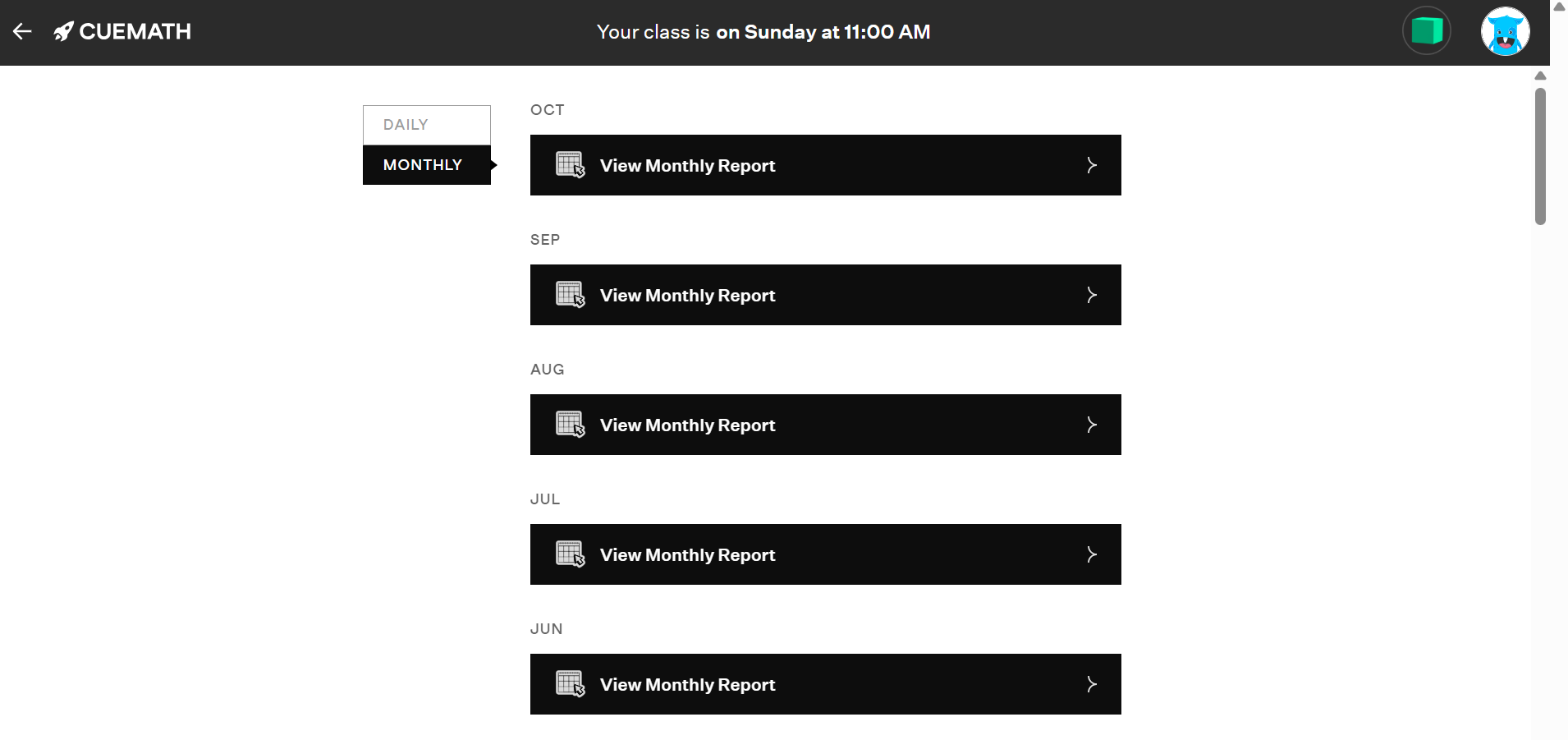
Every session feeds into performance analytics: mastery levels, weak areas, progress trends, accuracy, pace, and improvements—visible directly to the parent.
7️⃣ Limited Leverage of Educational Technology by Private Tutors
Traditional tutoring typically uses basic tools — paper, pencil, textbooks — missing opportunities for enhanced learning.
Technology gaps:
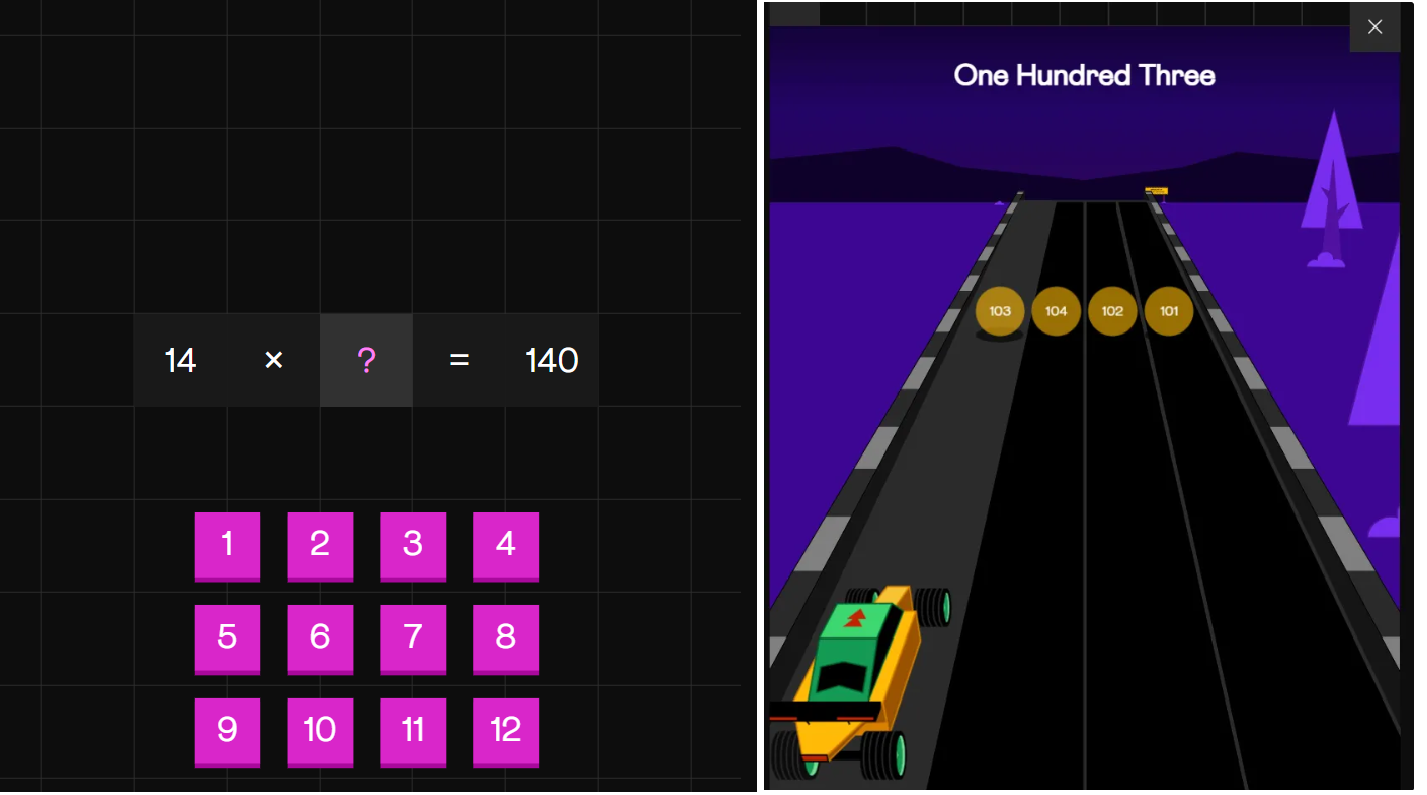
- No adaptive learning systems where the learning doesn’t automatically adjust to a child’s strengths, weaknesses, and pace based on their performance.
- Limited data analytics for performance analysis
- No gamification or engagement tools
- No interactive simulations
- Minimal use of educational technology research
Why I Lean Toward Cuemath in This Comparison
Across all the online tutoring companies that exist, Cuemath is uniquely positioned in offering true 1:1 live instruction with structure, proven curriculum, and transparent pricing.
Here’s what adds real value:
What struck me most is how often parents mention the words “value for money” and “personal attention.” When thousands of reviews repeat the same thing, it tells you something!
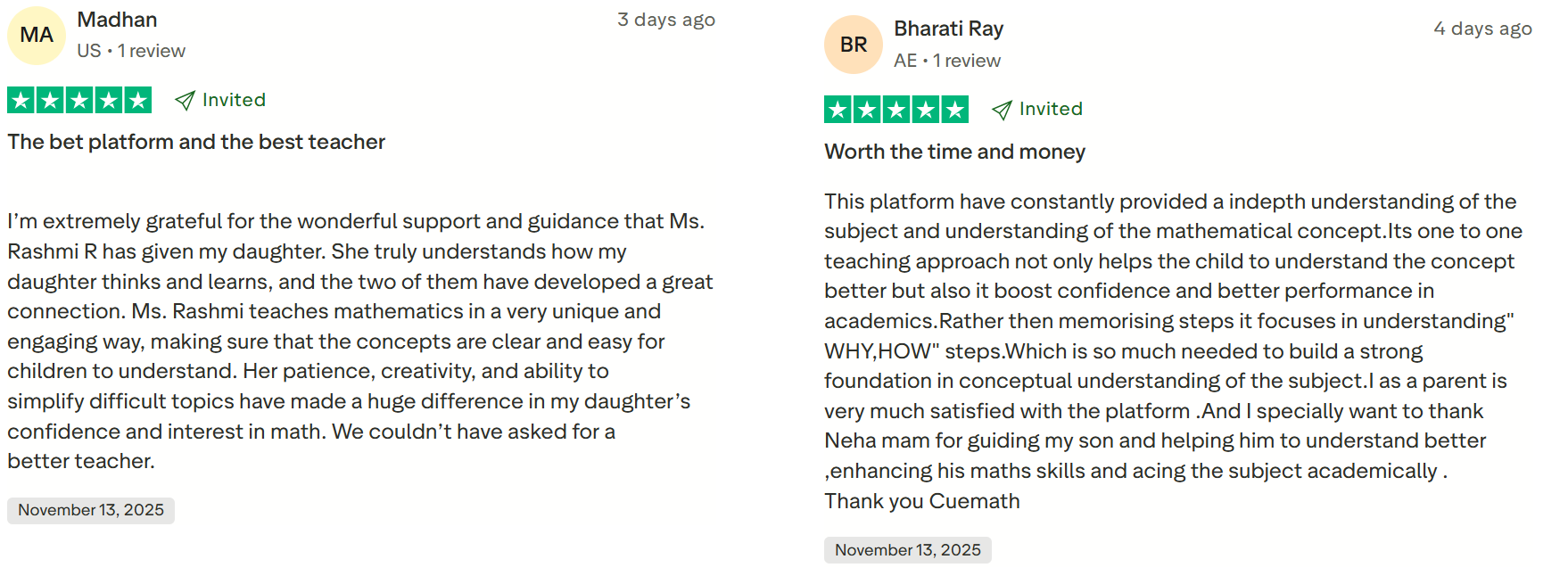
Check out the Trustpilot reviews of Cuemath here:
What are the key differences between Private tutoring and Cuemath online classes?
Private tutors are a hit or miss, tutor-dependent, costly
Cuemath 1:1 online classes are scalable, affordable, trackable, and built for modern high school math learning
Conclusion
As an educator who keeps a close eye on research, I often get asked: “Which one actually works better?” And honestly, there’s no one-size-fits-all answer. Every child learns differently. What works beautifully for one student might not click for another. So the real question isn’t “What’s the best method overall?” — it’s “What’s the best fit for your child?”
Because the best tutoring isn’t just the cheapest — it’s the one that gives your child focused, consistent, high-quality learning every single week.
Private tutoring absolutely can work well, especially when you find that rare tutor who's reliable, skilled, and understands your child’s learning style. But that’s also the biggest challenge — quality varies widely. Add to that the higher costs, scheduling inflexibility, and almost zero visibility into what’s actually happening session to session… and it can become a gamble.
Online 1:1 tutoring, when done right, removes those barriers.
And this is where Cuemath stands out: it combines the personal attention of a private tutor with the structure, data-driven clarity, and accountability of a world-class learning platform.
In other words:
You’re not just paying for tutoring — you’re investing in a learning system built for long-term success.
If you want to give your child structured, consistent, and personalized learning without the guesswork, try Cuemath’s 1:1 Online Classes.
Book a free trial session and see the difference.
FAQ
1. Is one-on-one online tutoring actually effective?
Yes — studies show one-on-one tutoring significantly boosts learning. Cuemath delivers this through structured, interactive live sessions designed for real progress.
2. Will my child stay focused during online classes?
They will if the platform is engaging. Cuemath uses a hands-on interactive learning platform to keep kids actively involved.
3. Are online tutors even qualified?
Quality varies on marketplaces, but Cuemath tutors are trained, certified, and continuously monitored for teaching quality.
4. Is online tutoring safe and legit?
When done through established platforms, yes. Cuemath provides secure classes, verified tutors, and transparent policies parents can trust.
5. What if my child doesn’t click with the tutor in online tutoring?
Many platforms are not transparent about tutor replacement and flexibility. However, Cuemath allows easy tutor replacement and ensures every teacher follows the same structured curriculum, so learning never breaks.
6. Are online classes too expensive?
Costs depend on tutor quality — Cuemath keeps prices transparent and affordable while offering high-quality one-on-one live instruction.
7. What happens if my child misses a session in online tutoring?
Unlike many private tutors and some online tutoring platforms, Cuemath offers flexible rescheduling, so you never lose a class you paid for.
8. Is online tutoring helpful for advanced students?
Yes — Cuemath personalizes lessons so kids can go beyond school and try higher-level or competition-style math.
9. Is private in-person tutoring better than online tutoring?
Not necessarily — private tutors vary a lot in quality, while Cuemath offers structured 1:1 learning with trained tutors and a proven curriculum.
10. How do I know if a private tutor is actually good?
It’s hard to judge with private tutors, but Cuemath removes the guesswork by vetting tutors, tracking learning, and showing parents progress dashboards.