8 Preschool Math Activities to Replace Screen Time (Ages 3-5)
Eight simple counting, sorting, and pattern games for kids ages 3 to 5, using things you already have at home. No worksheets, no flashcards, no screens required.

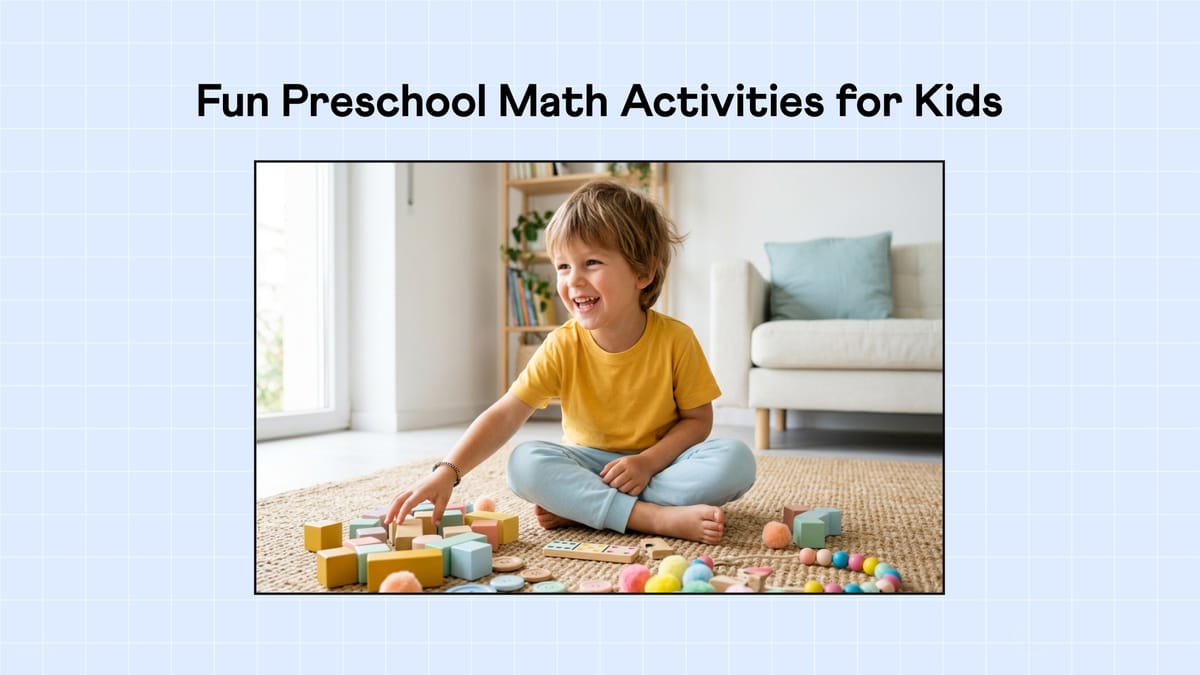
You don't want to hand your 3 to 5 year old a tablet just to teach them counting, but flashcards feel boring and forced too. Here are 8 simple math activities using things you already have at home, no worksheets, no screens.
We asked parents directly, and most said they lean on cartoons to teach math and worry about the screen time that comes with it. These activities are the screen-free alternative: plain counting, sorting, and pattern games that work just as well.
- Why Start Basic Math Before Kindergarten?
- 8 Preschool Math Activities Using Stuff You Already Have at Home
- 1. Counting Collections
- 2. Shape Hunt Around the House
- 3. Sorting Bin, With a Comparison Twist
- 4. Pattern Necklaces
- 5. Domino Addition
- 6. Muffin Tin Sorting
- 7. Counting Songs
- 8. Which One Holds More?
- Tips for Making These Activities Stick
- Making Math Part of Everyday Life
- When Does Structured Math Practice Start?
- Frequently Asked Questions
School math + test prep + skills AI can't match, at $0 cost.
Everything your child needs from Grade K to 12, curriculum mastery, test prep, and enrichment math, is now in one free app.
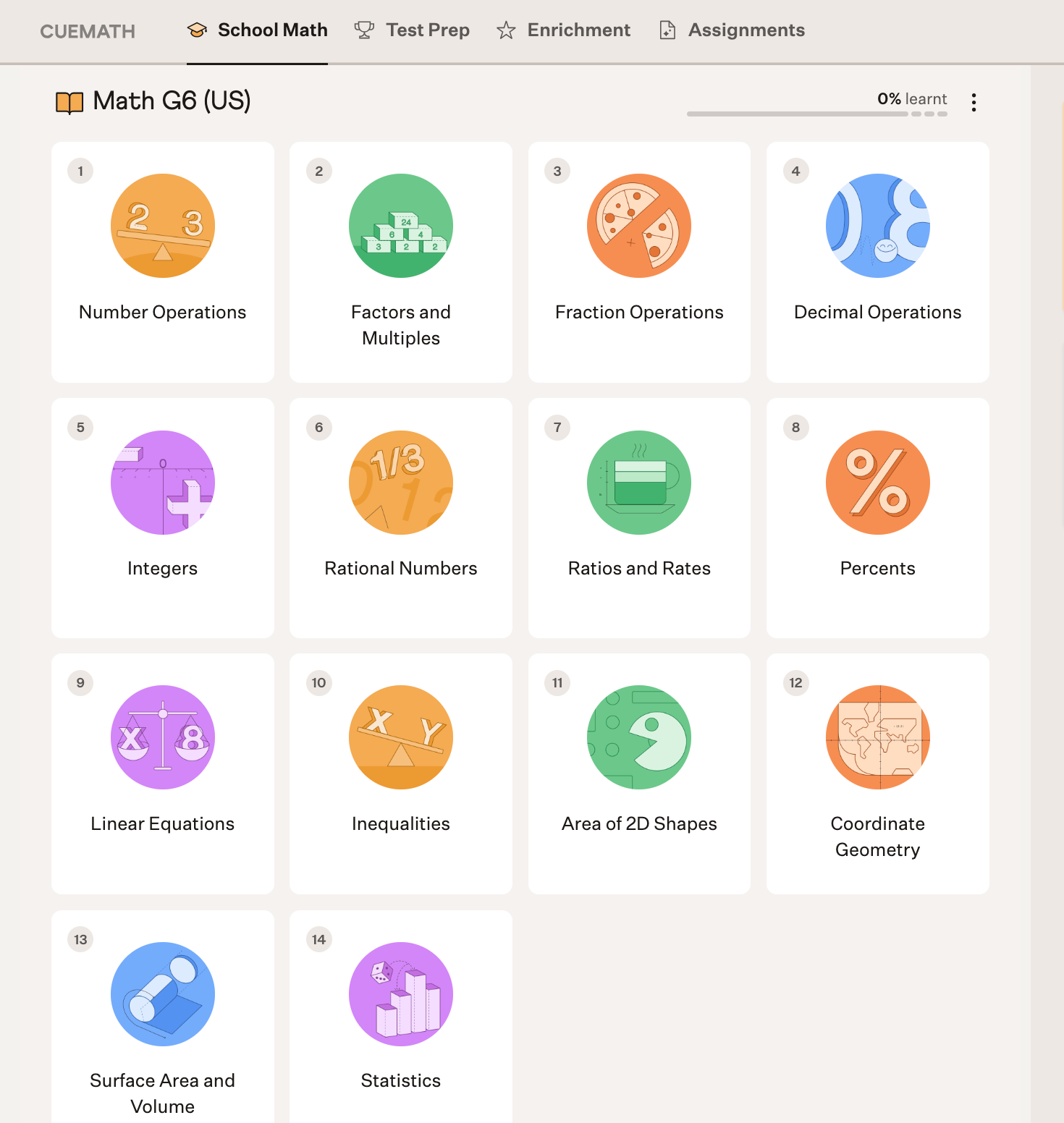
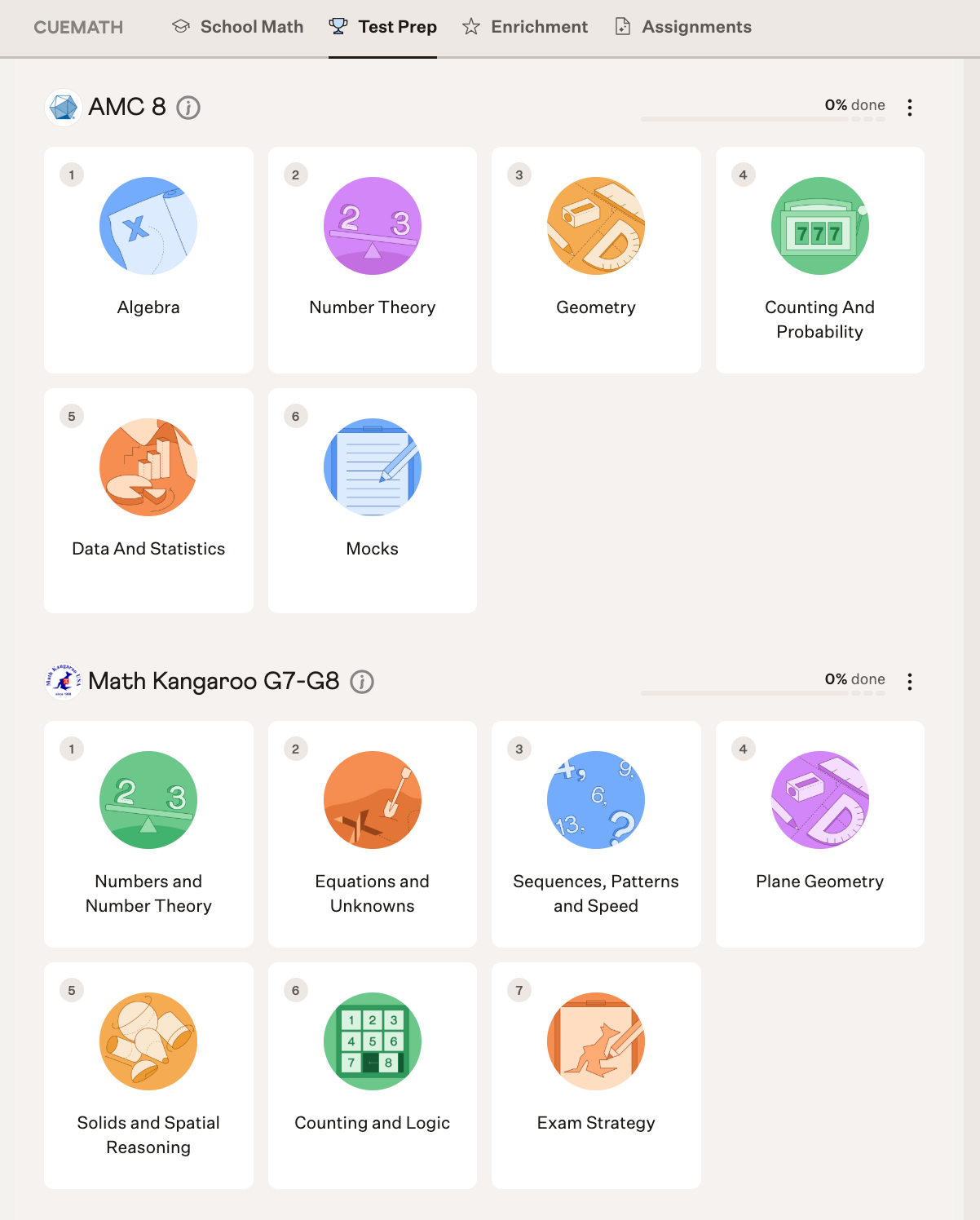
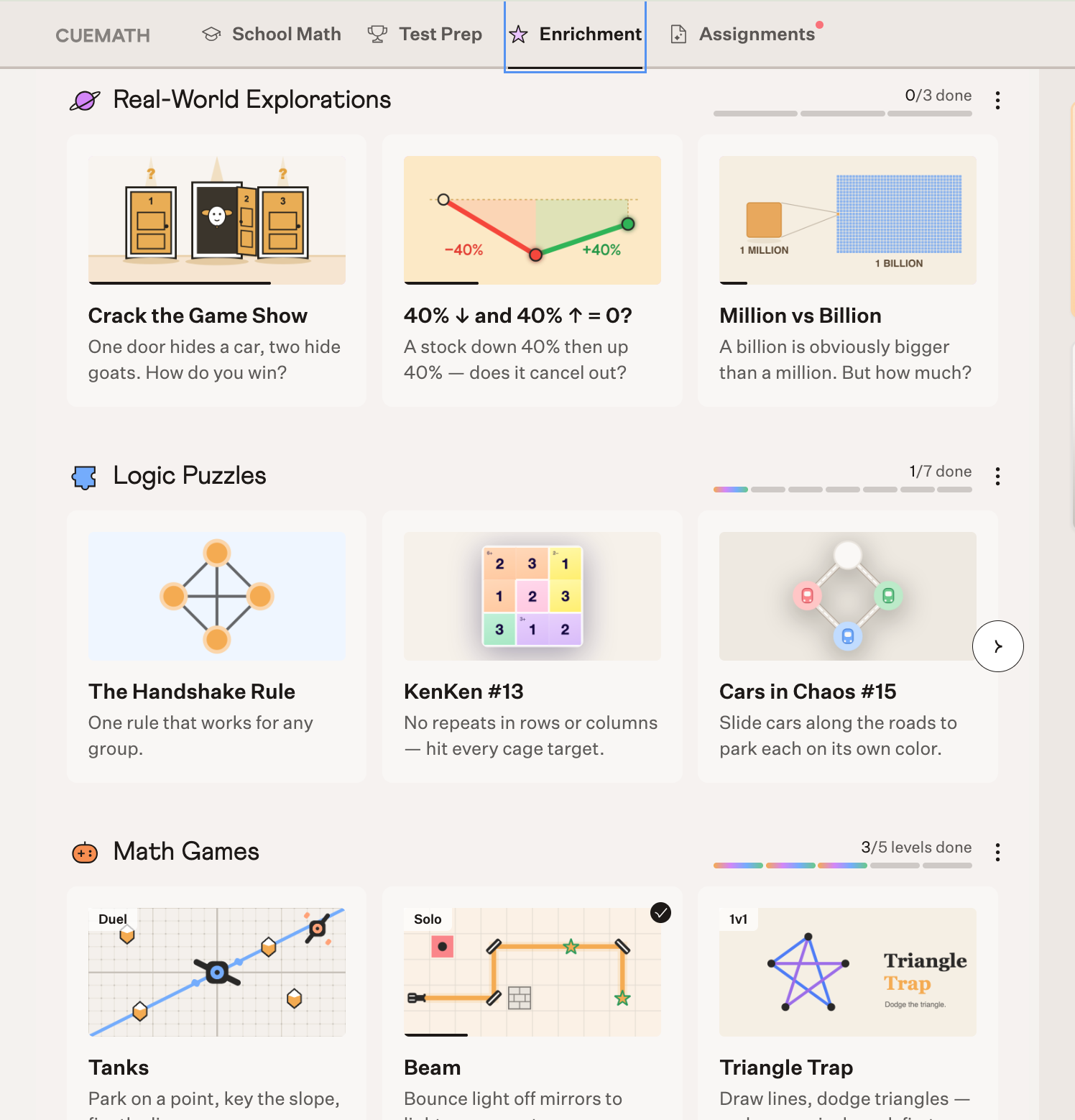
Simple log in with email, nothing else
Why Start Basic Math Before Kindergarten?
- Kids notice numbers on their own before age 3. They notice one plate has more crackers than another plate. Simple counting games help kids understand the concept of numbers accurately.
- A kid who can count to 10 before kindergarten starts school confident.
- Kindergarten tests counting, number recognition, and comparing quantities in the first few weeks. A kid who already knows this finds the first weeks easy.
- Young kids learn by touching and repeating things. Counting stairs or comparing who has more grapes teaches the same skill as a worksheet. Parents don't need flashcards or a set lesson time to do this.
- Kids with strong early number sense tend to do better in other school subjects too, not just math.
- A kid's first memory of numbers can be a car game or a favorite cartoon. That first memory affects how much they enjoy math later.
8 Preschool Math Activities Using Stuff You Already Have at Home
Each activity below uses things you already have at home. No worksheets, no screens.
1. Counting Collections
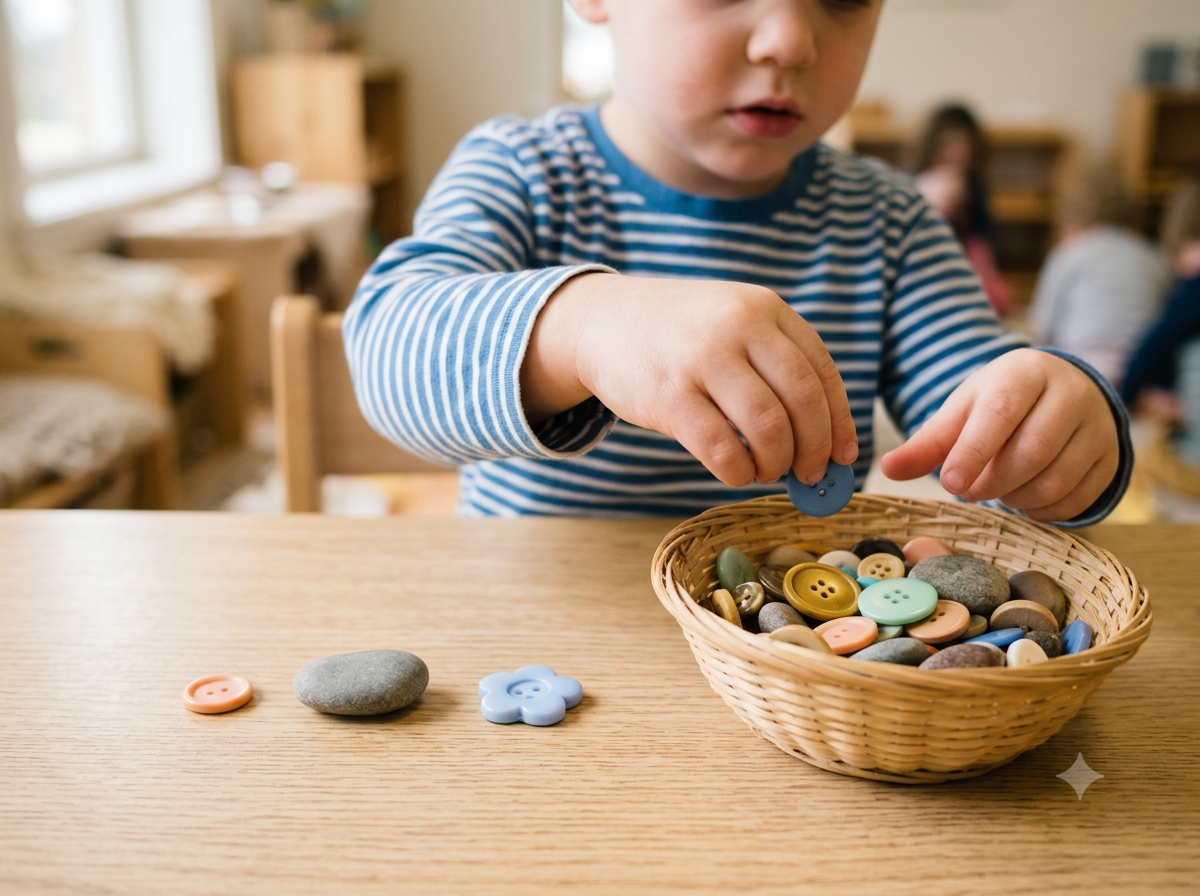
Hand your child a small basket of buttons, pebbles, or toy cars. Ask them to count. Push further with "How many red ones?" or "Are there more blue cars or yellow ones?" This teaches them to match one number to one object, instead of reciting numbers from memory. Rotate the collection every few days, buttons one day, cereal the next, so counting stays a game and not a drill.
- At 3: expect accurate counting of 3 to 4 objects while touching each one. Skipping or double-counting past that is normal, not a setback.
- Closer to 5: most kids can count 10 to 20 objects accurately and start answering "how many in total" without recounting from one.
- You'll know it's working when: they stop needing to touch every object before answering "how many," and can just glance and tell you.
2. Shape Hunt Around the House
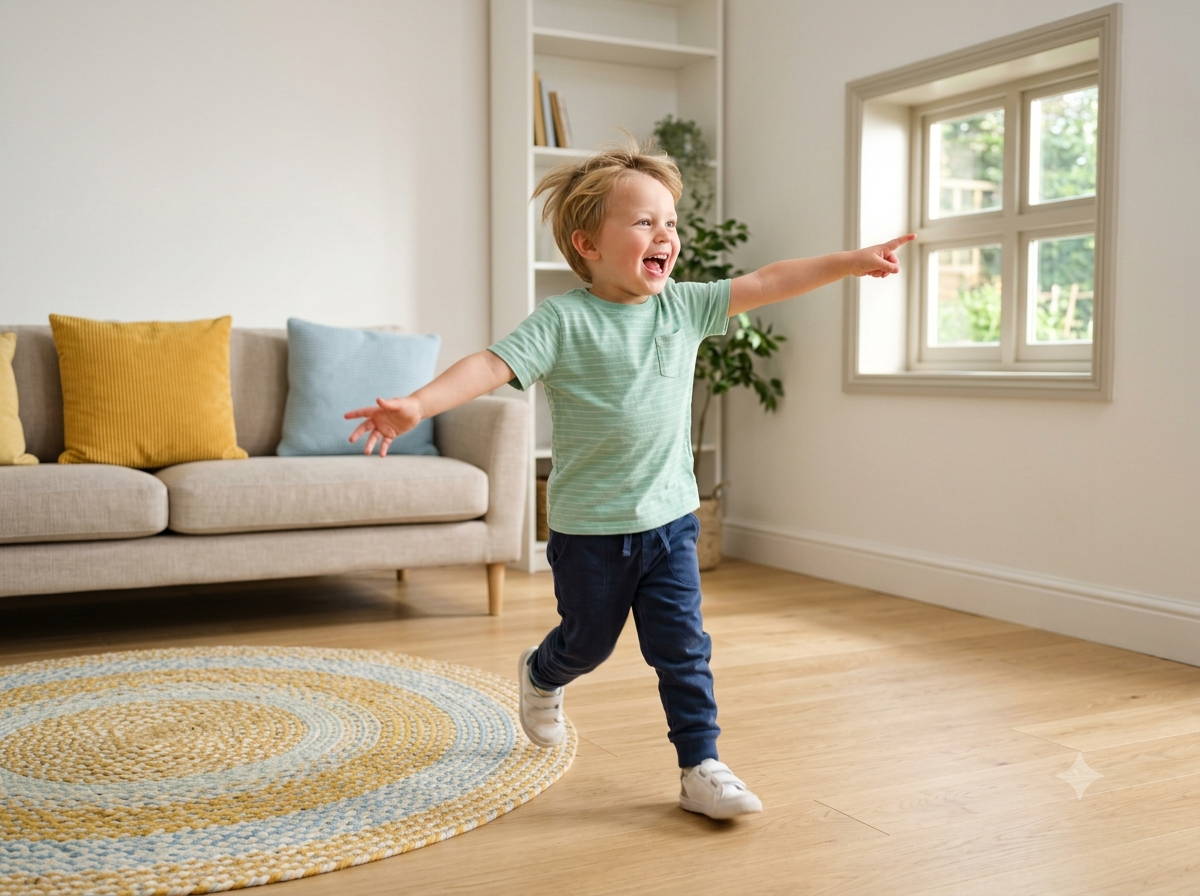
Turn shape recognition into a scavenger hunt. Ask, "Can you find something round? Something with four sides?" Let your child run from room to room finding shapes. Then push further: "How many corners does this window have?" That question moves them from naming shapes to noticing what makes each one that shape.
- At 3: they can point out and name a circle or square when asked, but "four sides" won't mean much yet. Naming is the goal, not describing.
- Closer to 5: they start noticing shape properties on their own, without being prompted ("wait, that's not round, it has corners").
- You'll know it's working when: they correct themselves mid-hunt instead of waiting for you to confirm or deny their guess.
3. Sorting Bin, With a Comparison Twist
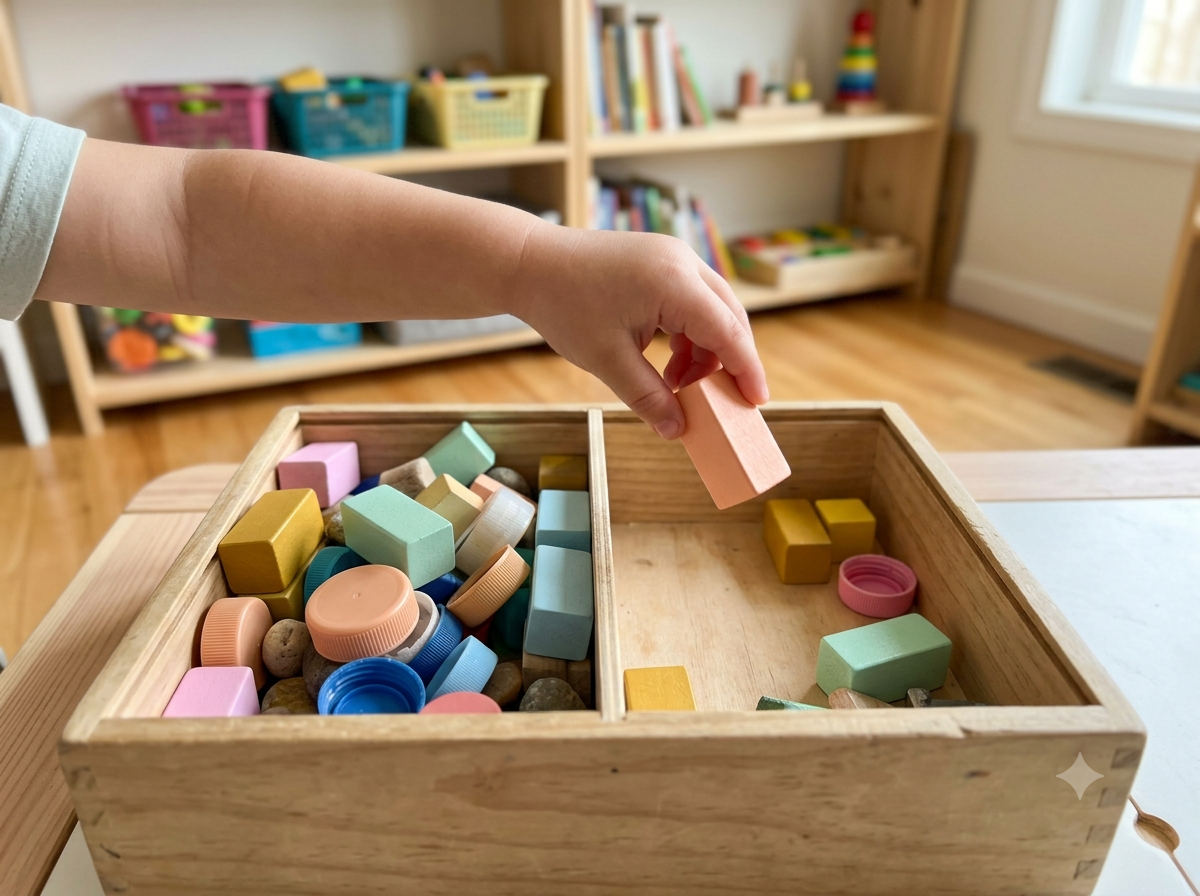
Fill a bin with mixed objects: buttons, blocks, bottle caps. Ask your child to sort them by color, size, or shape. Once they've sorted one way, add a second round: ask which pile has more and which has fewer. That turns sorting into an early comparison exercise, not just a repeat with a different rule.
- At 3: sorting by one obvious rule, usually color, is already a real challenge. That's enough for one session.
- Closer to 5: they can re-sort the same pile by a second rule without being told what it is, and answer "which pile has more" by comparing, not guessing.
- You'll know it's working when: they can point to the bigger pile without you counting it out loud for them first.
4. Pattern Necklaces
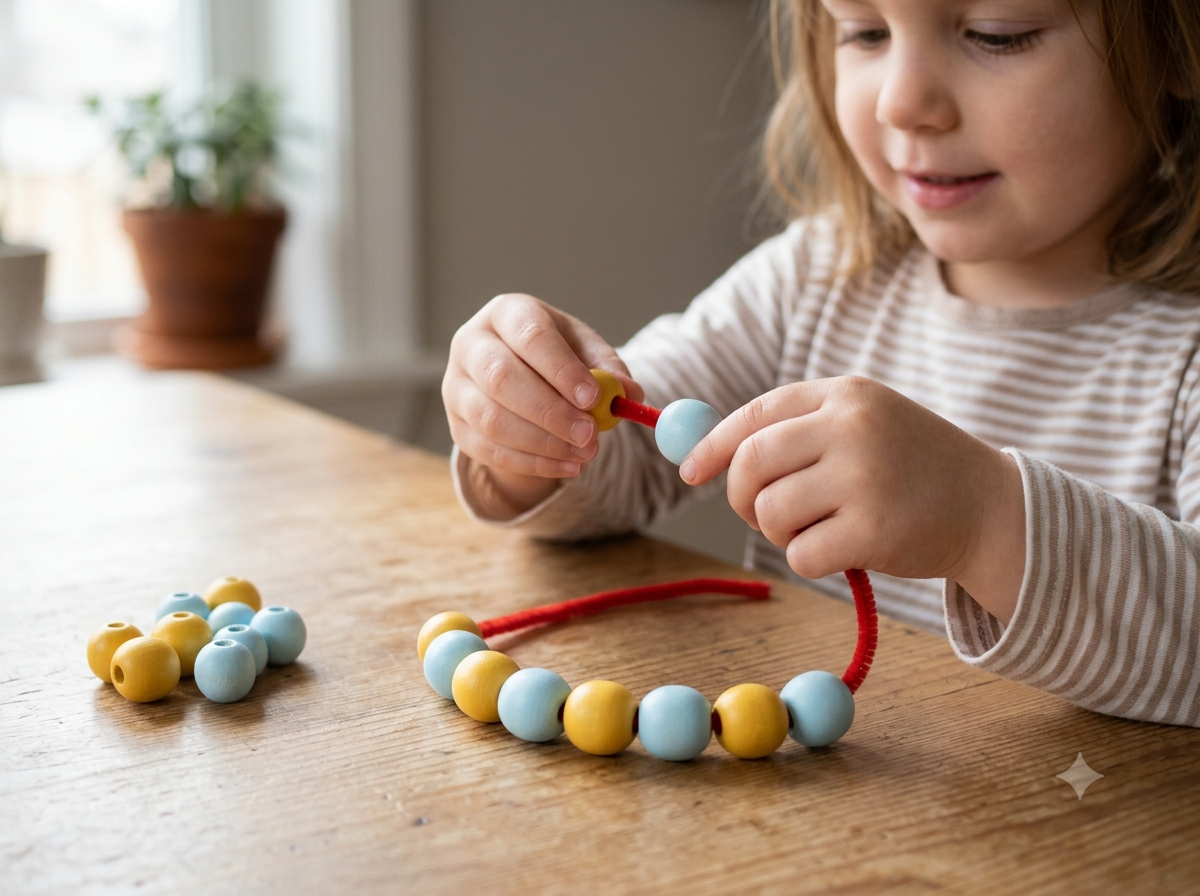
Using beads or colored pasta, start a simple pattern: red, blue, red, blue. Ask your child to continue it. This teaches them to spot what repeats and predict what comes next, one of the "big ideas" of early math according to Erikson Institute's Early Math Collaborative. Even counting is a pattern: each number is one more than the last. Once they're comfortable, try a three-step pattern (red, blue, yellow, red, blue, yellow), or let them invent one for you to guess.
- At 3: many kids will string beads in whatever order they like and call it a pattern. That's a normal stage before true repetition clicks, not a sign they're behind.
- Closer to 5: they can continue a two-color pattern reliably and often attempt three-step patterns on their own.
- You'll know it's working when: they can say what bead comes next out loud, before placing it, instead of getting it right by trial and error.
5. Domino Addition
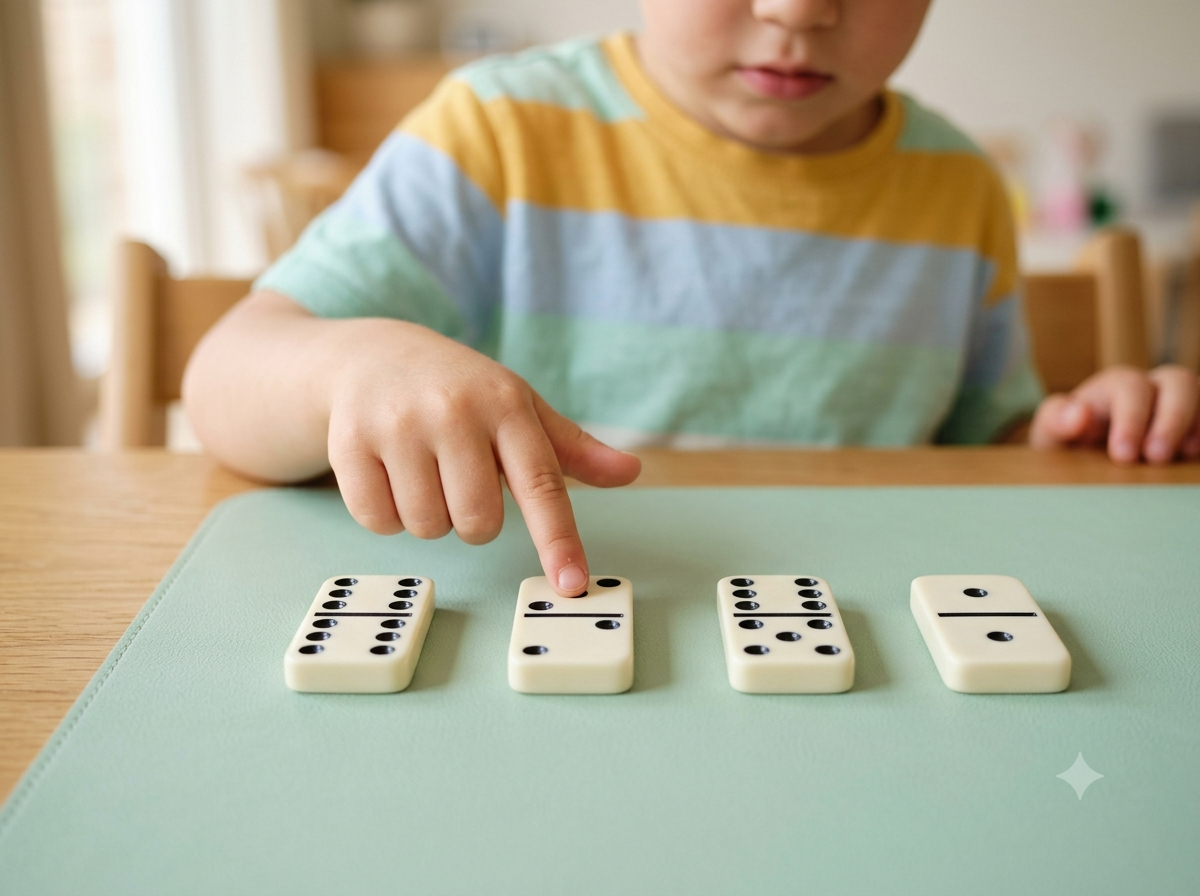
Line up dominoes. Ask your child to count the total dots on each one. For older preschoolers, sort dominoes by their sums onto number-labeled sticky notes, or race to find two dominoes with the same total. It's a visual way to introduce addition, long before they see a plus sign on paper.
- At 3: expect them to count one half of the domino, then the other half, as two separate counts. That's expected, not a mistake.
- Closer to 5: they start combining both sides into a single running count without being asked, which is the earliest form of addition.
- You'll know it's working when: they stop restarting from one on the second half, and keep counting up from where the first half left off.
6. Muffin Tin Sorting
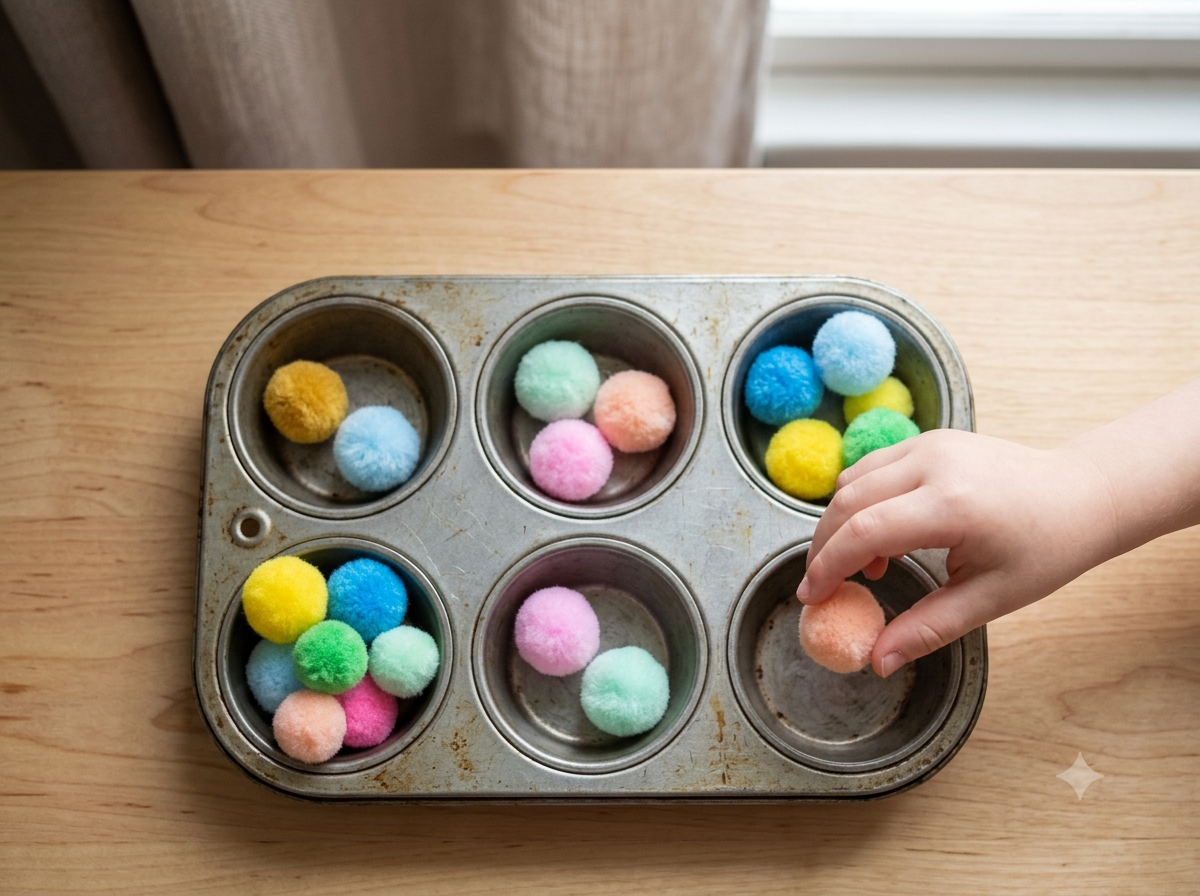
An empty muffin tin becomes an instant sorting tray. Assign each cup a color or shape and have your child fill it with matching small toys. No extra supplies needed. For a counting twist, label each cup with a number and ask your child to drop in exactly that many pom-poms or coins.
- At 3: filling cups by matching an example (this color goes here) is usually the right level of challenge on its own.
- Closer to 5: the counting twist, dropping in exactly 4 pom-poms, becomes doable without recounting the whole cup from one each time they add a piece.
- You'll know it's working when: they can tell you how many more they need without re-counting what's already in the cup.
7. Counting Songs
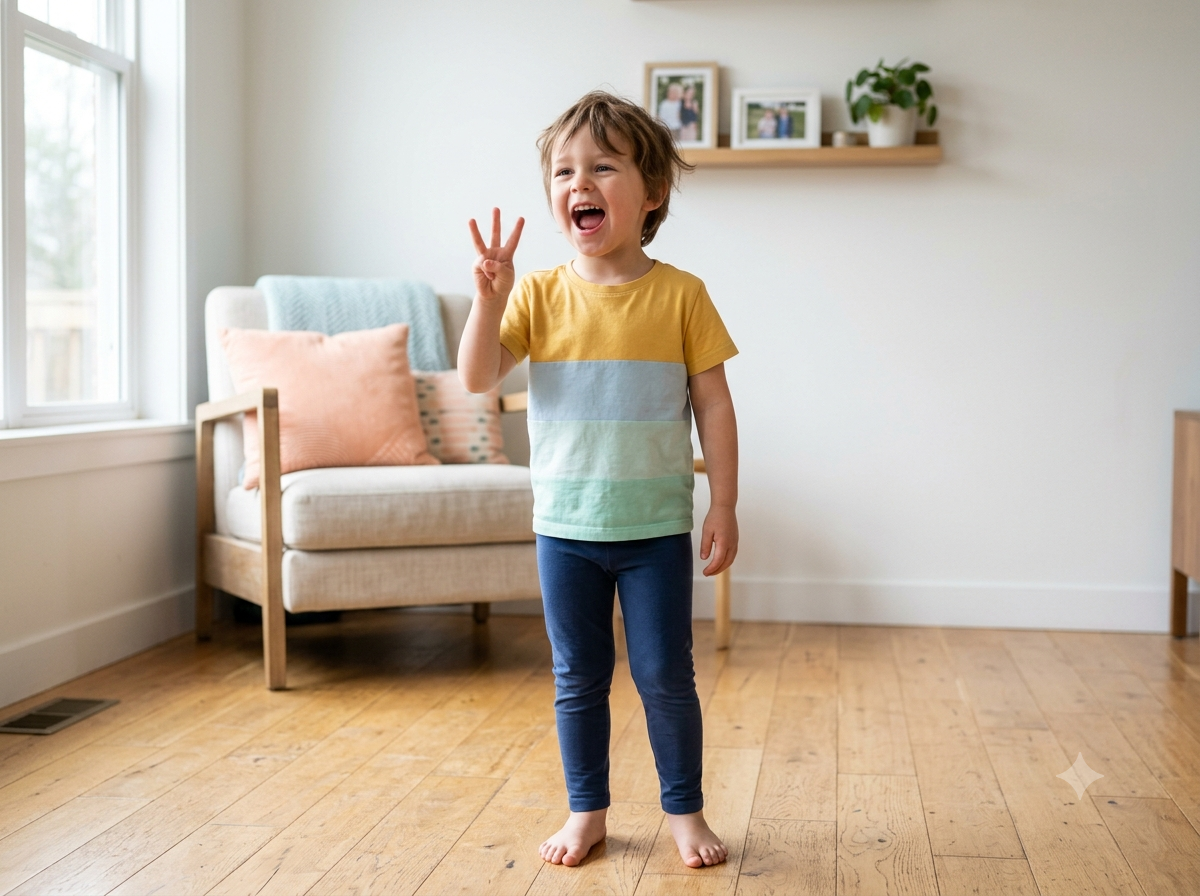
"Five Little Ducks" and "Ten in the Bed" teach counting sequences, including counting backward, because the rhythm and repetition make it stick. Use your fingers or small toys to act out each verse as the number shrinks. Watching the group get smaller helps your child connect the song's words to a real quantity.
- At 3: expect them to join in on the actions and the last number or two, without tracking the full countdown themselves.
- Closer to 5: they can sing the full sequence and predict what number comes next even if you pause mid-song.
- You'll know it's working when: they correct you if you skip a number in the countdown.
8. Which One Holds More?
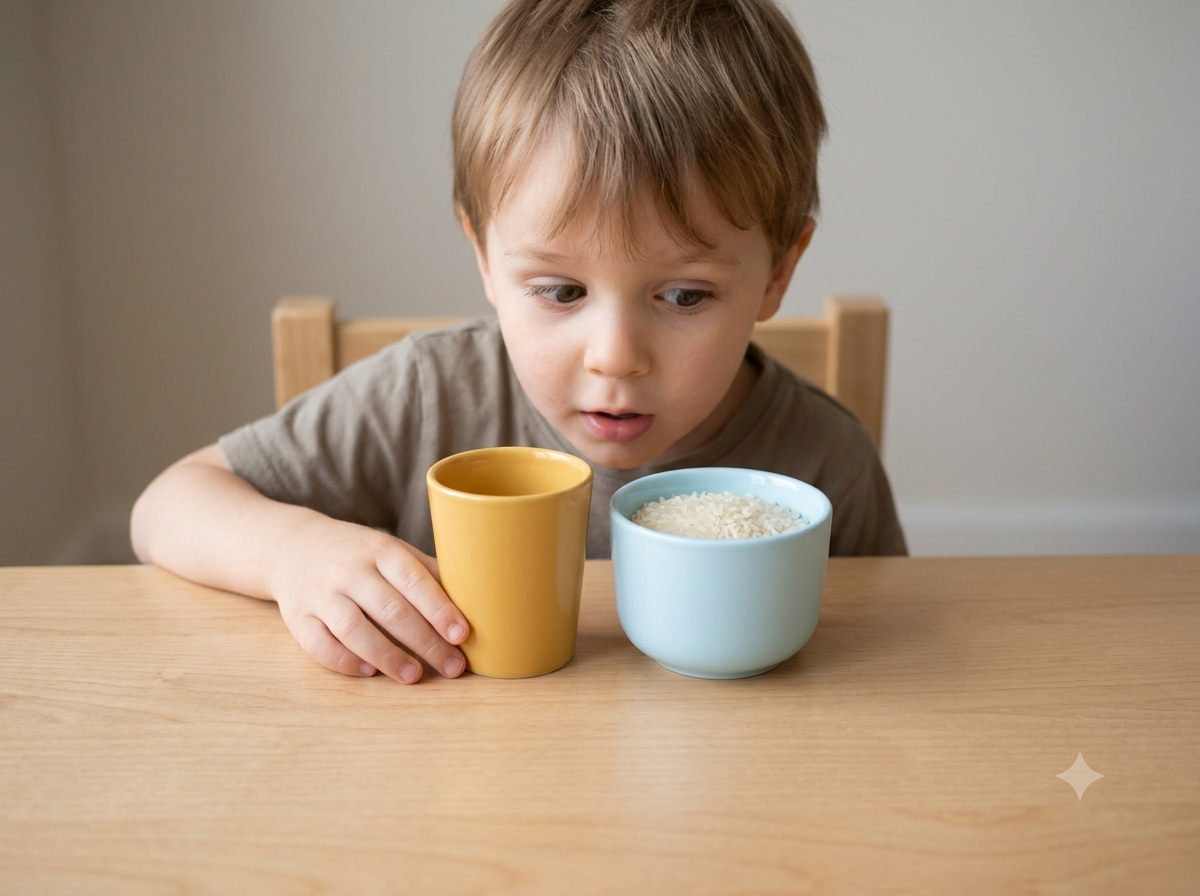
Fill a shallow tray with dry rice, beans, or water. Give your child two differently shaped cups, one short and wide, one tall and narrow. Ask which one holds more before they pour anything in. Then let them pour and check. This is a measurement and comparison activity, one of the "big ideas" of early math according to Erikson Institute's Early Math Collaborative. Most preschoolers assume the taller cup holds more. Most adults guess wrong here too.
- At 3: expect them to guess based on height alone every time. That's developmentally normal, not a math gap.
- Closer to 5: some will start pouring one container into the other to check, instead of just guessing, which is a real reasoning step forward.
- You'll know it's working when: they start pouring to test their guess instead of just declaring an answer. That shift, from guessing to checking, is the actual skill.
Tips for Making These Activities Stick
- Keep it short. Five to ten minutes is plenty at this age. Stop while your child is still having fun, not once they're bored.
- Narrate out loud. Say "you have three blocks, now four" while your child plays. It teaches math words even when they're not "doing math."
- Let them be wrong. Miscounting is part of learning to count. Don't correct right away; recount together instead.
- Repeat often. Preschoolers learn through repetition, not new activities every day. Playing the same sorting bin five different ways this week teaches more than five new activities played once each.
- Bonus for car rides: no props needed for "I Spy." Try "I spy something round" or "I spy the number 3" out the window. It won't teach as much as the activities above, but it's a screen-free filler for a car ride or waiting room.
Making Math Part of Everyday Life
None of these activities need a worksheet or a special toy. They need a few minutes of attention. Count the stairs. Sort the laundry by color. Ask which snack pile has more grapes. These small, repeated moments build the number sense that formal math builds on later.
You don't need to schedule "math time" separately from playtime; it works better if you don't. When your child lines up toy cars from smallest to biggest, or insists on splitting a snack "equally," they're already reasoning mathematically. Your job is to notice it, name it, and nudge it a little further.
The goal at this age isn't mastery, it's comfort. A preschooler who sees numbers and shapes as something to play with, not something to fear, is already ahead.
When Does Structured Math Practice Start?
- These preschool activities are about play, not test prep.
- Structured 1:1 math tutoring, like Cuemath's live classes, starts once a child enters kindergarten (grade K) and continues through grade 12.
- It builds on exactly the number sense, shape recognition, and pattern skills this list teaches.
- If your child is still 3, 4, or 5, the activities above are the better fit: no tutor, no curriculum, just repeated play.
- Once they're in kindergarten and bringing home real math homework, that's the point to consider a 1:1 tutor, or the Cuemath app for extra practice.
Frequently Asked Questions
What are some fun math activities for preschoolers?
Fun math activities for preschoolers include counting collections of buttons or toys, sorting objects by color or shape, building simple bead patterns, and playing counting songs like "Five Little Ducks." These work because they connect a number or shape to something the child can touch and move, not just say out loud. All 8 activities in this guide use things most households already have, so there's no need for flashcards or worksheets.
How can I teach my 3 year old to count at home?
You can teach a 3 year old to count at home by having them count real objects, like crackers, toy cars, or stairs, rather than reciting numbers from memory. This builds one-to-one correspondence, matching each number word to one object, which is the foundation counting skill. Keep sessions to 5 to 10 minutes and let your child recount out loud when they miscount instead of correcting them right away.
What math skills should a preschooler know before kindergarten?
Before kindergarten, a preschooler should be comfortable counting objects (not just reciting numbers), recognizing basic shapes, sorting items by a rule, and noticing simple patterns. They don't need to know addition or subtraction formally. According to the NAEYC and NCTM's joint position statement on early math, this kind of informal, play-based number sense is what later formal math instruction builds on.
Are screen-free math activities better for preschoolers?
Screen-free math activities are generally better for preschoolers because they involve touching, moving, and sorting real objects, which is how young children build number sense. Head Start's early learning framework specifically recommends bringing math out of everyday play and hands-on routines rather than passive apps or videos. That said, an occasional counting app isn't harmful; it just shouldn't replace hands-on play at this age.
How long should preschool math activities be?
Preschool math activities should last about 5 to 10 minutes at a time. Young children have short attention spans, so it's better to stop while your child is still enjoying the activity than to push until they lose interest. Repeating the same short activity across a week builds more mastery than one long session.
Does Cuemath work with preschoolers?
Cuemath does not currently offer classes for preschoolers; live 1:1 tutoring starts in kindergarten (grade K) and continues through grade 12. The Cuemath app, built for grades K to 12 practice, is a good next step once school starts. For children ages 3 to 5, screen-free play activities like the ones in this guide are the better foundation, and a structured tutor becomes useful once a child starts bringing home real math homework in kindergarten and beyond.
What comes after preschool math activities like these?
After preschool math activities, most children move into formal number and shape instruction in kindergarten, building on the number sense and pattern recognition they picked up through play. Cuemath's live 1:1 classes for grades K to 12 build on exactly that foundation, and the Cuemath app is a good way to keep that practice going once school starts.
Sources
- NAEYC & NCTM Joint Position Statement: Early Childhood Mathematics, Promoting Good Beginnings, backs the claim that ages 3 to 6 engage with math naturally through play, and that early exposure is foundational for later achievement
- NCTM: Mathematics in Early Childhood Learning, the current, updated version of the joint position statement
- HeadStart.gov: Math in Preschool, backs the claim that math concepts stick best through play and everyday routines, not isolated drills
- Erikson Institute Early Math Collaborative: Big Ideas of Counting, backs the one-to-one correspondence explanation in Activity 1
- Erikson Institute Early Math Collaborative: Pattern, backs the patterns-as-early-algebraic-thinking claim in Activity 4
- Erikson Institute Early Math Collaborative: Big Ideas of Measurement, backs the measurement/comparison framing in Activity 8
I grew up a science kid. Math was not my best subject. Class moved fast, I was too shy to ask for help, and I somehow ended up more curious about how people learn than about the subjects themselves.
That's what pulled me into education, not to teach, but to understand how colleges and tutoring programs actually work and what students genuinely need from them.
My love for writing did the rest. I had too many observations and nowhere to put them, so I started writing, and haven't stopped. Over the last five years I've written about edtech, student life, and college programs. For the past year, my focus has been math tutoring specifically.
I work at Cuemath now, so factor that in. I research by going where parents actually talk: forums, reviews, and direct conversations with students and families. I'm writing for the kid who's too scared to raise their hand in class. I was that kid.