Teaching Basic Shapes to Kids In an Interesting Way
Importance and benefits of learning shapes for kids. We will also look at the various shapes for kids followed by different games and activities to help you teach shapes to your kids.


Introduction
Kids learn by watching the world around them, so shapes and colors are among the first things they notice. Introducing basic shapes early gives preschoolers a head start, and a few simple activities at home make learning them easy and fun.
School math + test prep + skills AI can't match, at $0 cost.
Everything your child needs from Grade K to 12, curriculum mastery, test prep, and enrichment math, is now in one free app.
Simple log in with email, nothing else
Why is teaching shapes important?
Shapes are taught in almost every preschool today, and for good reason. Here is how learning them helps young children:
- Visual Information
- Sign and symbols
- Alphabets and numbers
- Mathematical concepts
- Categorization and comparison
- Problem-solving
- Symmetry
Kids Learn how to organize visual information
Children come across shapes everywhere, every day. Once they know the basic ones, they can spot them inside more complex objects. A car, for instance, looks like a single box at first; a child who knows their basics soon sees the rectangles, circles, and other shapes that make it up.
Helps to teach signs and symbols
Signs and symbols carry information, and recognizing shapes is the first step to reading them. It takes time before a child can name every shape they see, and that is completely normal. Most kids start following signs and symbols around ages 5 to 6.
Help kids identify different alphabets and numbers
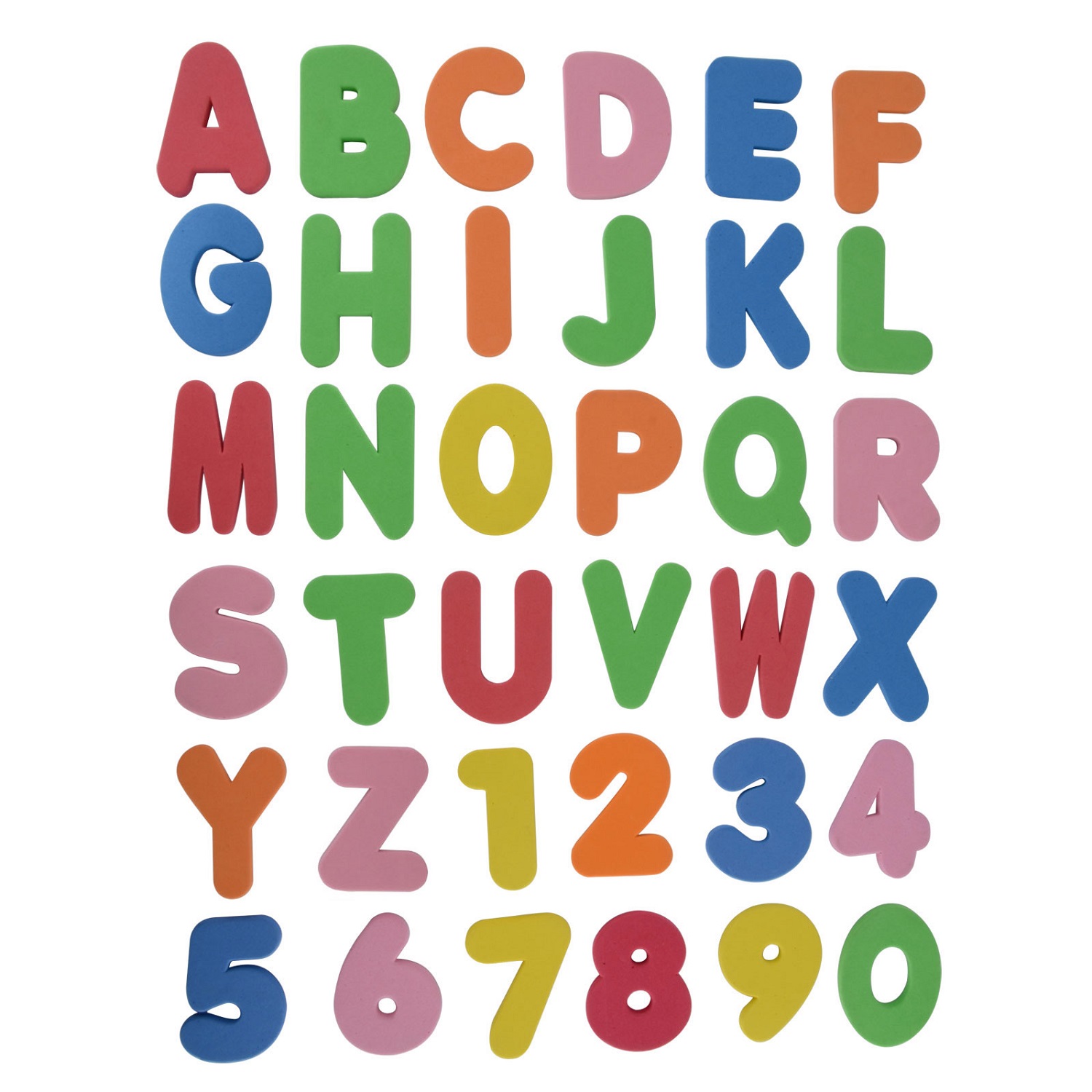
Letters and numbers are really just shapes, which is why toddlers often mix up look-alikes such as “b” and “d.” Learning shapes first helps them tell these characters apart, so most preschools teach shapes before letters and numbers. A little patience goes a long way.
Basic mathematical concepts can be taught
Once a child can identify shapes on their own, they are ready for simple math. Everyday shaped objects, a ball, a matchbox, a pair of dice, make great tools for teaching early addition and subtraction.
Categorization and comparison
Comparing and sorting shapes builds skills like facial recognition and spatial awareness. As kids learn to tell shapes apart, they also start noticing differences in faces and surroundings. It shows up in their drawings, too: mountains become triangles, and houses become squares with triangular roofs.
Problem-solving
Working with shapes strengthens thinking skills. Kids first build 2-D mental maps of shapes, then gradually move to 3-D. This mental mapping plays a key role in developing problem-solving abilities.
Symmetry
Balance grows from an early sense of symmetry and center of gravity. Kids lose their balance more often than adults simply because these ideas are still developing. Teaching symmetry through simple shapes helps them learn how to position their bodies and builds their motor skills.
What are the different types of shapes for kids?
Shapes fall into two groups:
- Basic shapes cannot be broken down further, such as squares, circles, and triangles.
- Compound shapes are made of simpler shapes joined together, such as arrows and stars.
Here is a quick look at the most common shapes:
| Shape | Image | Number of Sides | Example |
|---|---|---|---|
| Triangle | 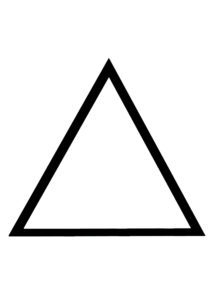 |
3 Sides | Mountains and Hills are Triangle in shape |
| Square | 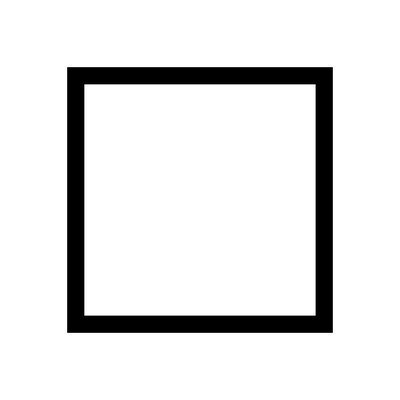 |
4 Sides | Small houses or huts are square in shape |
| Rectangle | 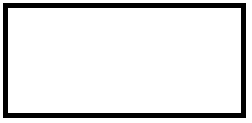 |
4 Sides | Cars and buses are rectangle in shape |
| Circle | 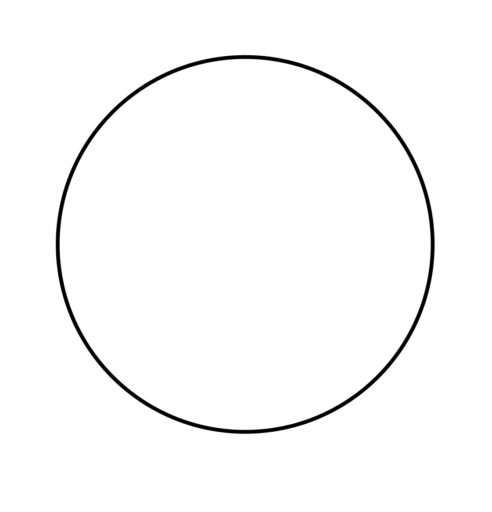 |
No Sides | Wheels and Balls are circle in shape |
| Arrow | 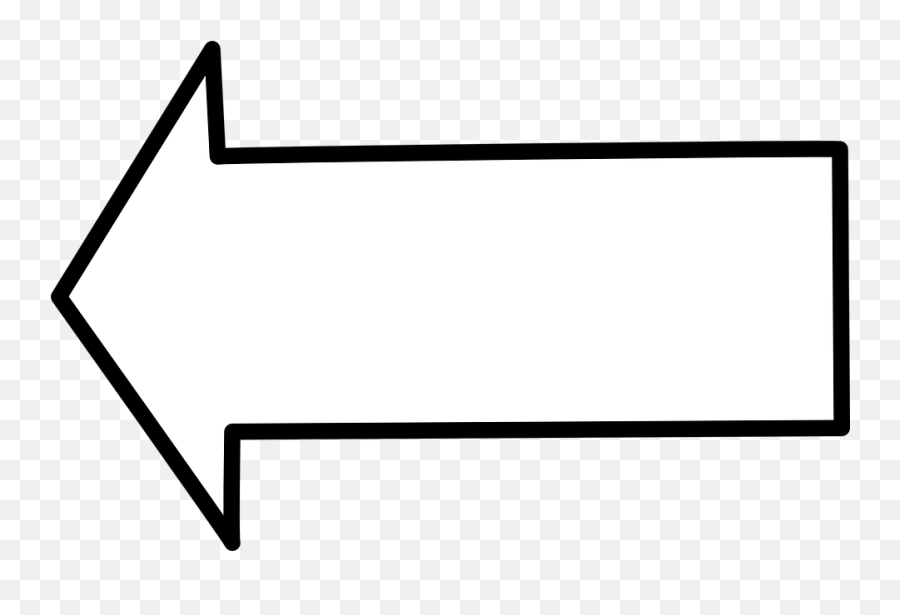 |
7 Sides | Signs boards have an arrow shape |
| Star |  |
10 Sides | Starfish and star anise are star-shaped |
| Diamond | 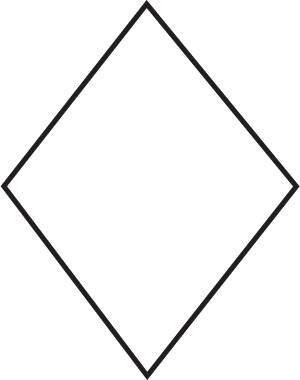 |
4 Sides | Kites and crystals have diamond shape |
| Heart | 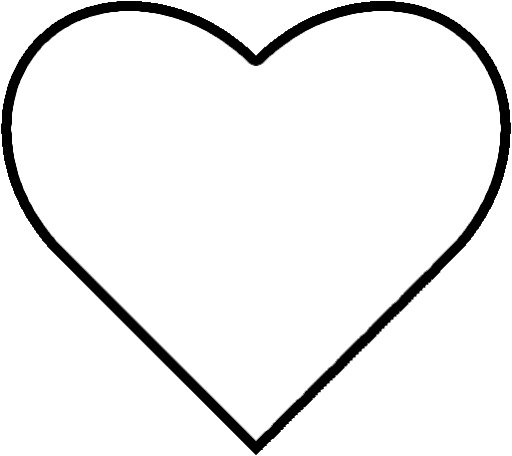 |
No Sides | Strawberries are heart-shaped. |
Basic Shapes for kids
Squares, triangles, circles, and rectangles are taught first. Spend plenty of time here, because every shape a child learns later builds on these. It may take a while to click, so be patient.
Advanced Shapes for kids
Once the basics are solid, kids can move on to advanced shapes like arrows, stars, and hearts. Skip 3-D shapes at the preschool stage, since they can be confusing. A child with a firm grasp of the basics will pick these up quickly.
How to teach shapes to kids with the help of games and activities?
Shapes are hard to grasp in the abstract, so hands-on activities make all the difference. Here are a few games that help your child learn while having fun:
Flashcard shapes for kids
Flashcards are fun and interactive, and you can buy a set or make your own by drawing shapes on thick paper. To play:
- Ask your child to pick a card and name the shape.
- Keep a scoreboard and let them beat their own high score.
Shapes for kids chart
Colorful charts make shapes easier to remember. Buy one, or make your own by drawing and labeling each shape. Put it somewhere your child sees every day, like by the door before school.
Shapes hunt
Like a treasure hunt, this game is easy and exciting for preschoolers. Give your child a flashcard, ask them to name the shape, then have them find something the same shape around the house. It keeps them engaged and connects shapes to the real world.
Puzzle games
Two kinds of puzzles help kids learn shapes:
- Shape-sorter boards, with brightly colored pieces that drop into matching cut-outs. Look for them at toy and preschool-supply shops.
- Picture jigsaws, with larger pieces a child fits together once they are comfortable with the basic shapes.
Start with simple pictures like fruits and flowers to keep it easy.
Conclusion
Shapes are one of the most important topics in the preschool and kindergarten years. Even if your child learns them at school, practicing at home matters, because recognizing a shape and naming it are two different skills, and names are easy to forget.
Start with the basics and connect each shape to objects around you, so your child links them to the real world. Spend extra time here to build a strong foundation before moving on to advanced shapes.
Start Free with All New Cuemath App
Fun games that build real skills, plus worksheets, test prep, and daily practice for your grade, all free to start.
Try It FreeNo commitment, no pressure
Frequently Asked Questions (FAQs)
What is the difference between regular and irregular shapes?
- Regular shapes have equal sides and equal angles. Irregular shapes are the opposite: their sides and angles vary.
- Examples of regular shapes: square, circle, equilateral triangle.
- Examples of irregular shapes: rectangle, heart, right-angled triangle.
What are the different types of 3D Shapes that are formed using rectangles and circles?
- Cylinder - Circles
- Cuboid - Rectangles
- Cube - Squares
- Pyramid - Rectangles and Circles
- Tetrahedron - Triangles
What are the three different types of shapes?
- Geometric: simple shapes like rectangles, squares, and triangles. They form the basis of all other shapes.
- Organic: curvy, natural shapes, like the shape ink makes when spilled on paper. They feel soft and soothing to look at.
- Abstract: complex shapes used mostly in graphic design. They are visually striking but are not found in nature.