How to Teach Addition Using a Ten Frame: A Parent's Guide (2026)
A ten frame is a small grid of ten boxes that turns invisible math into something a child can actually see and touch. Here's exactly how it works, why schools use it before formal addition, and how to walk through it with your child tonight.

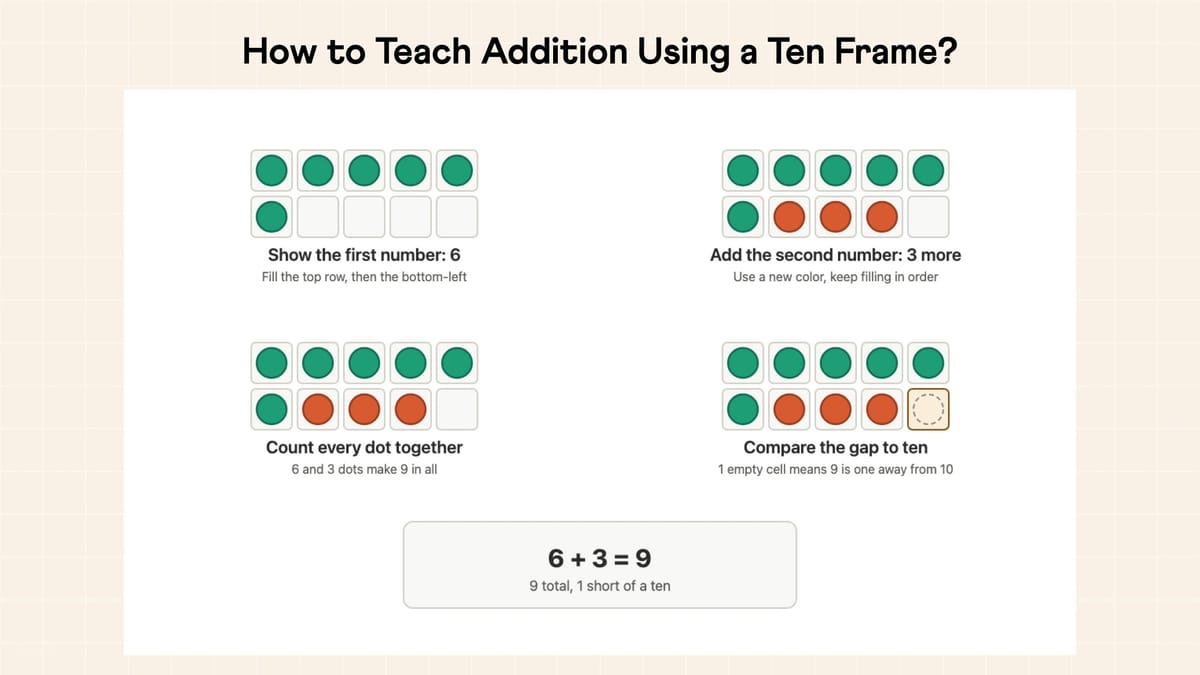
Have you ever wondered why kids can count to 10 perfectly but get confused when you ask them a simple question like 6 + 3 = ?
This is where a ten frame can be useful.
A ten frame is a simple math tool that has 10 boxes in two rows of five. Kids can put counters or other small items inside the boxes to give them a visual way of looking at numbers.
Imagine a small parking lot for numbers!
Say, for example, we want to do a workout.
5 + 3 = ?
Your child begins by putting 5 counters on the ten frame. Then they put 3 more counters in the empty spaces.
Now they can see that there are 8 counters in all:
5 + 3 = 8.
The ten frame also helps children to notice something important: 5 and 3 are parts of a whole of 8. They don't have to just count from memory; they can look at the frame and see how the numbers fit together.
Instead of telling children to “Just memorize your addition facts,” a ten frame gives children a visual way to understand what those facts actually mean.
In this blog, we will learn how to use ten frames to teach addition in a simple and fun way. We will explore simple games, real-life examples, and hands-on activities that you can do at home with counters, toys, snacks, or other things you already have.
Let’s make adding feel less like homework and more like play!
- A ten frame is a 2x5 grid that shows a number as a picture, not just a word or count.
- It builds subitizing, recognizing a quantity instantly, which research links to stronger math achievement years later.
- Kids use a single frame for numbers to 10 in Kindergarten, then a second frame for numbers to 20 in 1st grade.
- “Making a ten” with a ten frame is the same bridging strategy behind number bonds, just with a grid instead of circles.
- Cuemath tutors use ten frames to ask “how many more to fill it?” instead of just confirming a count.
- What Is a Ten Frame?
- Why Do Schools Use Ten Frames Instead of Just Counting?
- Ten Frame Addition by Grade
- Till Which Grade Are Ten Frames Used?
- Does This Actually Help Kids Learn Math Better?
- The Real Problem: Parents Weren’t Taught This Way
- How a Cuemath Tutor Builds on the Ten Frame
- From Ten Frame to Number Bond
- How to Practice Ten Frames at Home
- FAQs
School math + test prep + skills AI can't match, at $0 cost.
Everything your child needs from Grade K to 12, curriculum mastery, test prep, and enrichment math, is now in one free app.
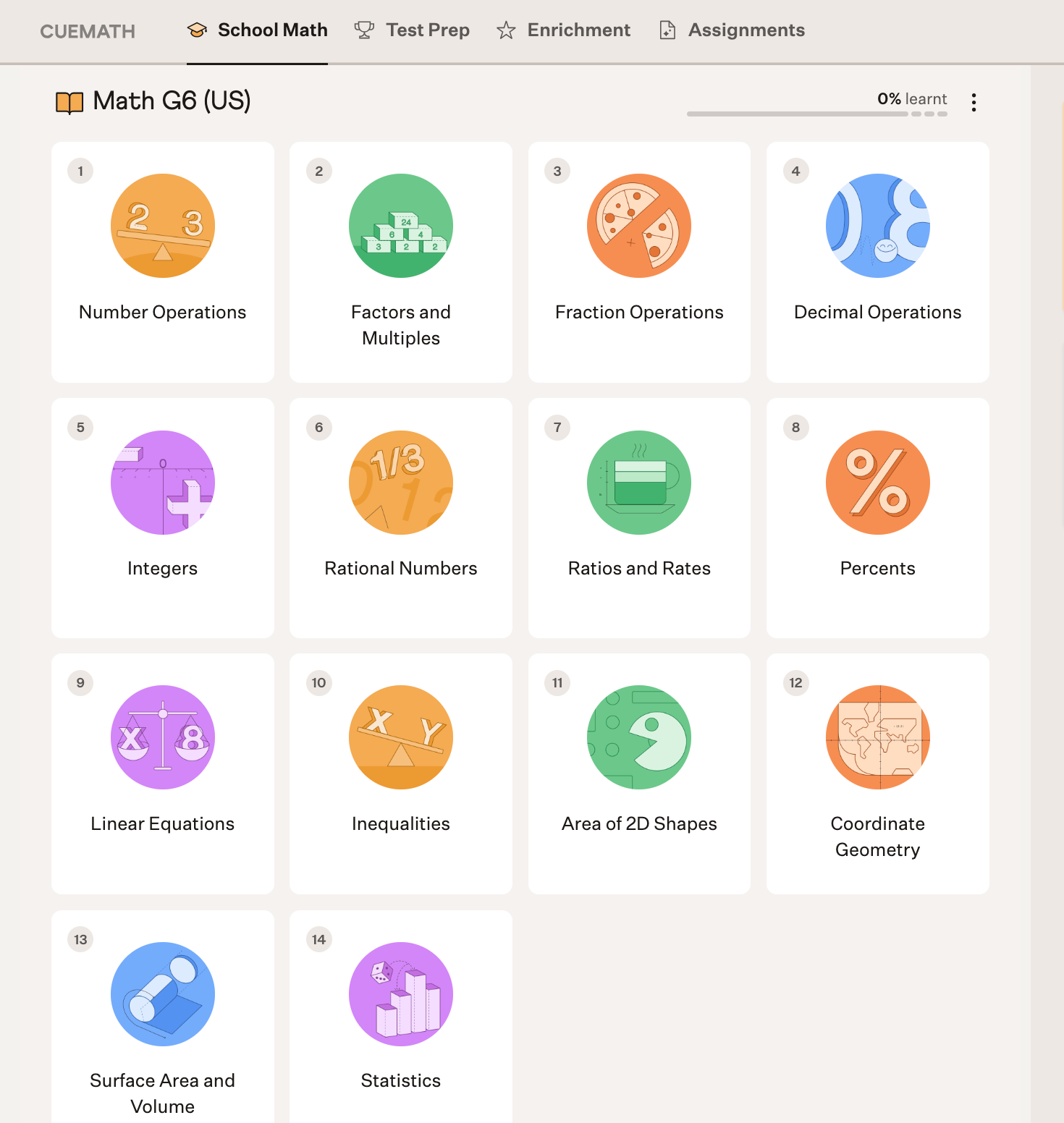
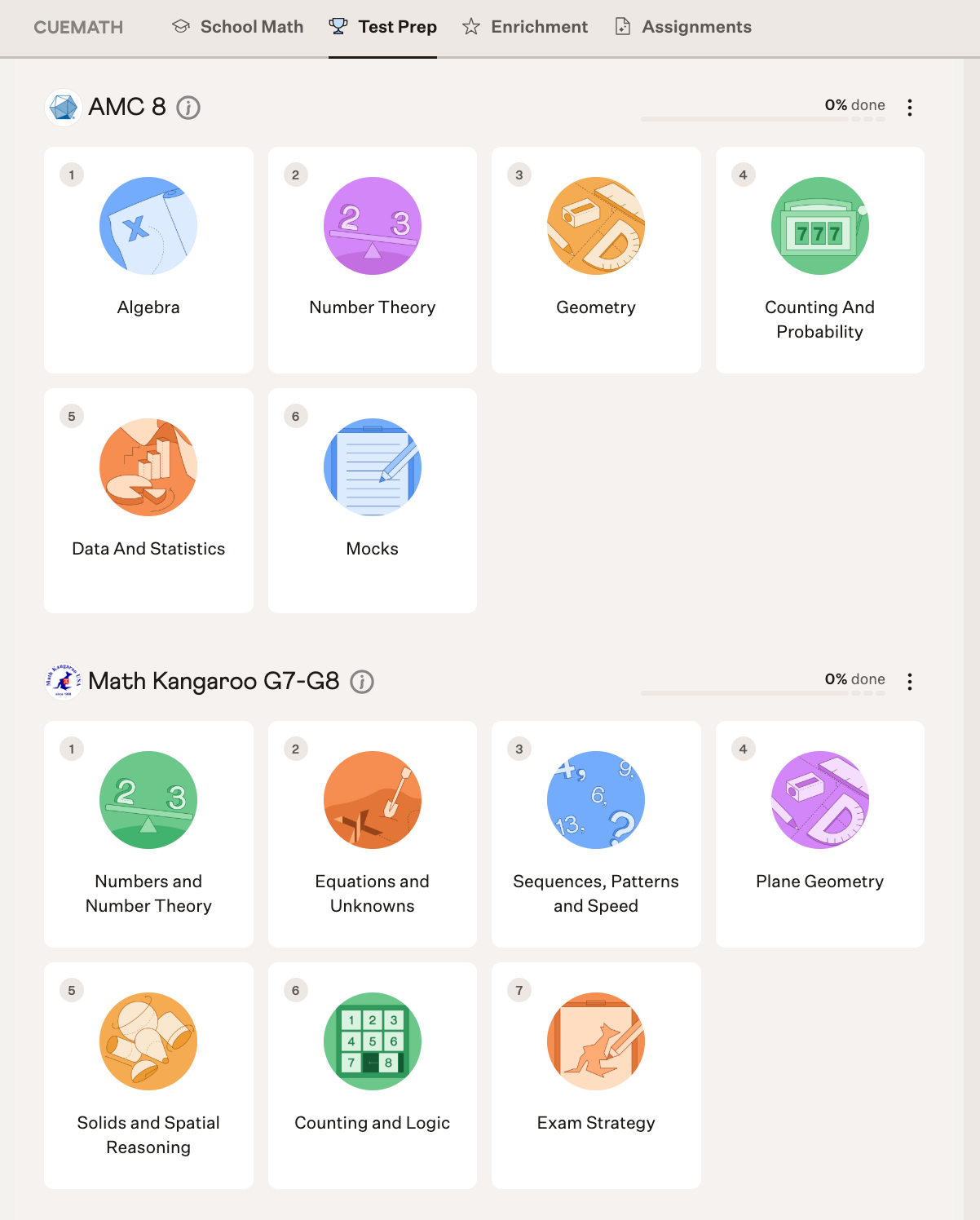
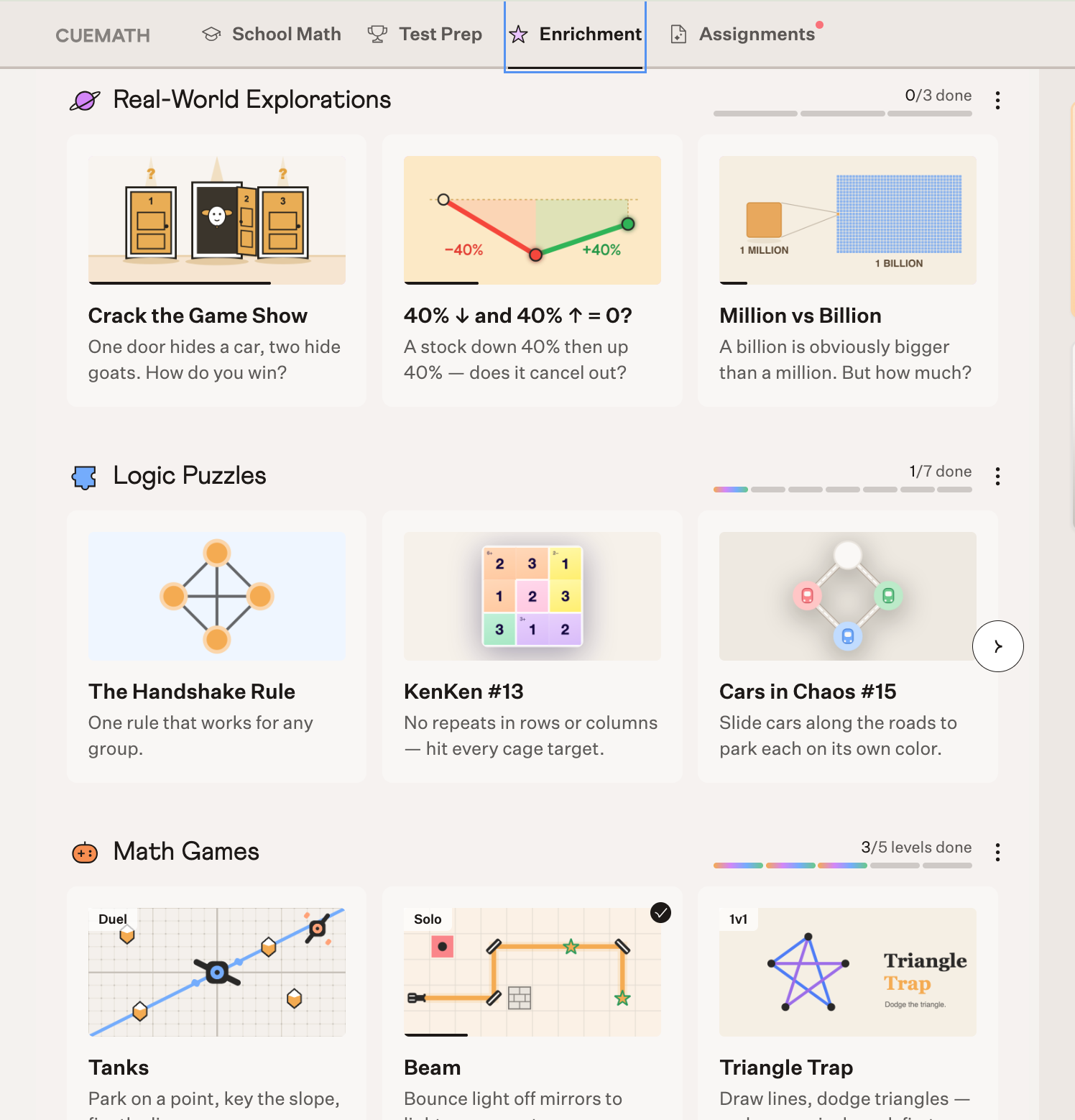
Simple log in with email, nothing else
What is a Ten Frame?
A ten frame is a simple math tool that has 10 boxes in two rows of five. Children use counters or other small objects to represent numbers in the boxes.
For example, if you place 5 counters down, it looks like the number 5:
● ● ● ● ●
○ ○ ○ ○ ○
Ten frames help kids visualize numbers and how they fit together. They are particularly useful for addition, as children can physically add the counters and see the answer.
For instance:
5 + 3 = 8
Your child can see it, count it, and understand it instead of just memorizing the answer.
"Empty boxes are as good as full boxes. Every addition problem a child will build on starts with an empty ten frame.
Why Do Schools Use Ten Frames Instead of Just Counting?
A ten frame trains subitizing, the ability to recognize a quantity instantly, without counting each item one by one. A child who’s filled ten frames dozens of times starts to see 7 as “5 and 2 more” instead of counting seven separate dots every time. That instant recognition is what makes mental addition possible later. This is the same reason schools teach number bonds before formal addition; see our New Math vs. Old Math guide for the full picture.
- Fill 8 in the frame
- 5 → 2 + 3 (2 completes the frame)
- 10 + 3 = 13
Ten Frame Addition by Grade
By the end of kindergarten, a child should read a filled ten frame without counting each box; that fluency is what makes the jump to numbers within 20 manageable. More on what else is covered in What Do 1st Graders Learn in Math, or check where a 2nd grader stands with our 2nd grade math problems.
Till Which Grade Are Ten Frames Used?
As a hands-on tool, ten frames are mostly used through 2nd grade. But the “anchor to 10” thinking they build doesn’t stop there; it resurfaces in place value, multi-digit regrouping, and eventually decimals.
Does This Actually Help Kids Learn Math Better?
Yes. A ten frame builds four specific skills that carry into everything a child does with numbers later:
- See numbers instantly
- Understands "distance from 10"
- Adds in their heads
- Handles bigger numbers
The Real Problem: Parents Weren’t Taught This Way
Most parents were taught to count everything every time; there was no ten frame on the wall telling them to look for patterns of 5 and 10. Ten frames and subitizing-focused teaching became standard practice more recently, which means a parent trying to help with homework is often seeing this tool for the first time, right alongside their child.
How a Cuemath Tutor Builds on the Ten Frame
A tutor doesn’t just confirm that a filled ten frame shows the right number; they ask the question that checks whether a child understands why it works. Instead of saying “yes, that’s 7,” a Cuemath tutor asks, "How many more boxes until it’s full?” A small shift that forces the child to see the bond between 7 and 10, not just recite a count.
This is the same “cue, don’t tell” approach behind every Cuemath 1:1 session, built through the MathFit framework’s Understanding pillar, interactive simulations that show the “why behind the what,” and “Teach It Back” moments where a child explains their reasoning in their own words.

Not Sure If Your Child Has This Foundation Yet?
A free evaluation checks whether your child can subitize and bridge through 10, the two skills every later math topic builds on.
Book a Free EvaluationFor Students in Grades K to 12 Worldwide
From Ten Frame to Number Bond: The Same Idea, One Step Further
A ten frame is the concrete, physical version of a number bond. When a child sees 6 filled boxes and 4 empty ones, they’re looking at the exact relationship 10 = 6 + 4, just drawn as a grid instead of two circles connected by lines. Once a child is comfortable filling and reading a ten frame, the jump to a number bond diagram is small: same relationship, more abstract picture.
For the full breakdown of how number bonds work at each grade, see our Number Bonds guide.
How to Practice Ten Frames at Home?
You don’t need to buy a ten frame. Draw a 2x5 grid on paper, or use an egg carton with two rows of five cups.
Answers, in order: 4, 1, 3, 2, 6, 4
Answers, in order: 7, 7, 7, 8, 7, 9
Answers, in order: 13, 13, 13, 13, 15, 16
Frequently Asked Questions
What is a ten frame?
A ten frame is a rectangular grid with two rows of five boxes, ten boxes total, used to represent numbers visually so a child can see how a number relates to 10. Counters, dots, or fingers go into the boxes to build a number.
How do you use a ten frame to add?
Fill the frame with the first number, then add counters for the second number, filling left to right, top row first. The total is the number of filled boxes, and if the frame overflows, that overflow shows “10 and some more.”
What age is a ten frame used for?
Ten frames are typically introduced in pre-K and kindergarten for numbers within 10, then extended through 1st and 2nd grade for numbers within 20 and beyond using a second frame.
Is a ten frame the same as a number bond?
Not exactly, but they represent the same idea. A ten frame is the physical, fillable version of a number bond: a child filling 6 boxes with 4 empty is looking at the same 6+4=10 relationship a number bond diagram shows with circles and lines.
Why do schools use ten frames instead of just teaching addition facts?
Ten frames build subitizing, the ability to recognize a quantity instantly without counting one by one, which research links to stronger math achievement years later. Memorizing addition facts without this foundation tends to break down once numbers get bigger.
What is the “making a ten” strategy?
Making a ten means using a ten frame to break a number into the part that completes the current frame to 10, plus what’s left over. For 8+5, a child fills 8, adds 2 more to complete the frame, then adds the remaining 3 to get 13.
How can I make a ten frame at home without buying one?
Draw a 2x5 grid on paper, or use an egg carton with two rows of five cups filled with any small object: buttons, coins, or dried beans.
Does Cuemath use ten frames?
Yes, Cuemath’s 1:1 tutors use ten frames and similar visual tools as part of building conceptual understanding, asking guided questions rather than confirming answers, so a child sees the “why” behind the count, not just the total.

I was never the kid who loved math. I was much more interested in books, stories, and writing—and, somewhere along the way, I became even more curious about people. Why do we learn differently? Why does something make sense to one child but not another? And what makes a student feel confident enough to keep trying?
That curiosity led me to study Applied Psychology, where I learned more about how children think, learn, and make sense of the world around them.
My love for writing did the rest. What started as something I simply enjoyed became a career. Over the past five years, I’ve worked as a freelance writer across edtech, SaaS, B2B, travel, lifestyle, and healthcare, learning how to write for very different audiences without losing the human side of the story.
Today, I’m an SEO Content Writer & Editor at Cuemath, where I get to bring many of these interests together. Working in education—and especially around math—has made me even more curious about what happens behind the screen or textbook: what parents worry about, what students struggle with, and what actually helps them learn.
That’s also how I like to research. I don’t just look at search results and call it a day. I go where parents and students actually talk—forums, reviews, communities, and conversations with real families. Because sometimes the most useful insight isn’t hiding in a keyword; it’s in a parent’s question, a student’s frustration, or a small detail someone shares about their learning experience.
I write because I’m curious. I research because I want to understand. And I love turning what I learn into content that feels genuinely useful to the people reading it.