


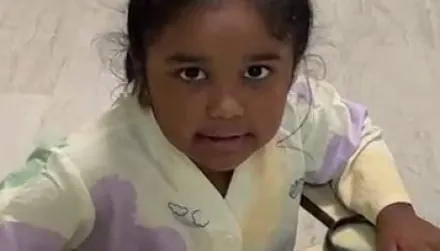


 Nevaeh Halder Kumar
First prize · Grade 3
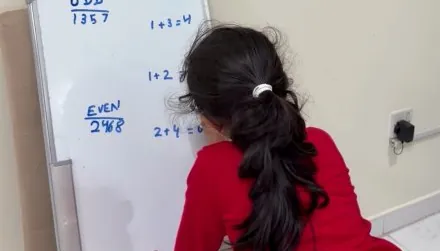
Loading a Plane With Data and Graphs
A hundred passengers, each with a meal order: what goes on the plane? She solved it with tally marks and a graph.
Teach-It-Back is a contest where Cuemath students from grades K–10 teach a math topic they love — because real understanding isn't just finding the right answer, it's a clear ‘why’.
Open to grades K–10. Your child picks any concept or topic they love, from counting to calculus. What matters is a clear why behind it.
Your child does all the explaining, in their own words. Props, materials, or a whiteboard are welcome, but the idea must come from your child. *Grades K–2: a parent can join and prompt.
Submit it through our entry form with your child's name, grade, and topic. A phone recording works: film in a quiet, well-lit room, with your child's voice clear and their working in frame.
All grades K–10 compete together, but each entry is judged for its grade level. Here's what we looked for, in order.
Anyone can tell you what a rule says. We were listening for the reason underneath it — why the idea works, or where you'd actually use it.
“Did we get the why, or only the what?”
No jumps, no “just do this.” We followed every explanation step by step, looking for the place where a reason quietly turns into a rule. The best ones had none.
“Would a confused student walk away un-confused?”
This is a teacher's actual job. Warmth, pacing, a good drawing, a bit of mischief — whatever it took to make us want to keep watching to the end.
“Did we enjoy being taught?”
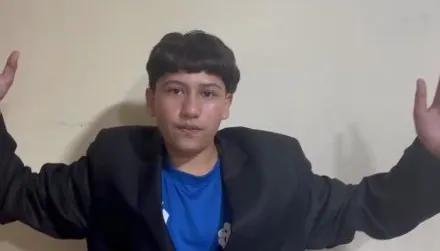
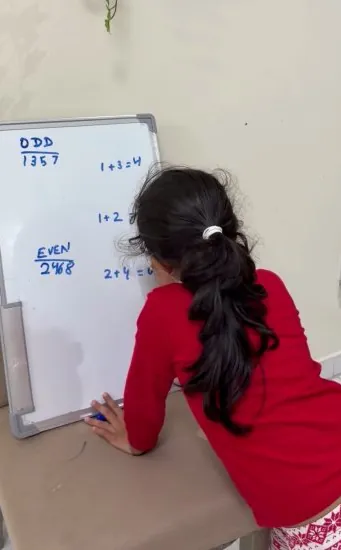
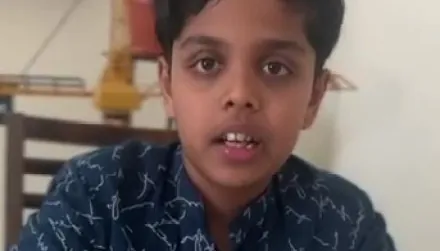
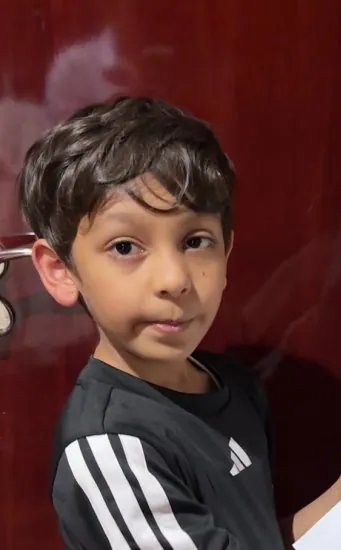
The top three winners share $600 in cash prizes, and each winner receives a Cuemath certificate in person from Manan Khurma, Founder & CEO of Cuemath, at the Cuemath Parent Summit.
$300
+ certificate
$200
+ certificate
$100
+ certificate
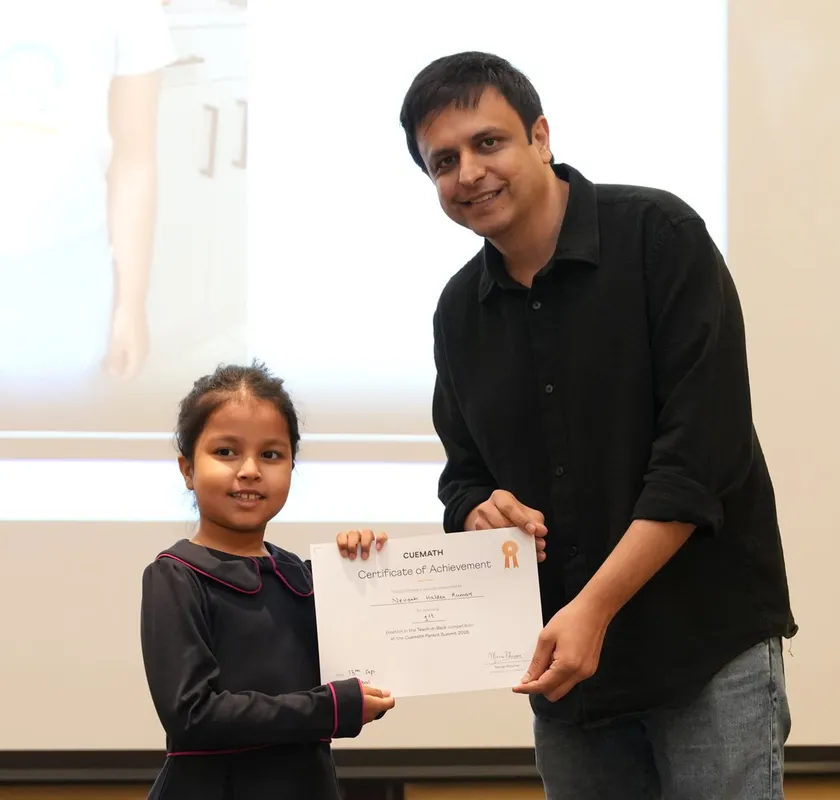
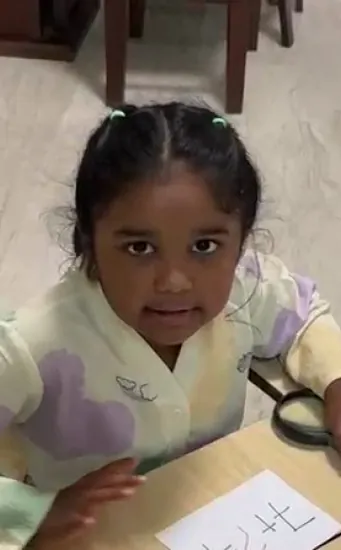
Nevaeh Halder Kumar, G3
Dubai 2026 · First prize
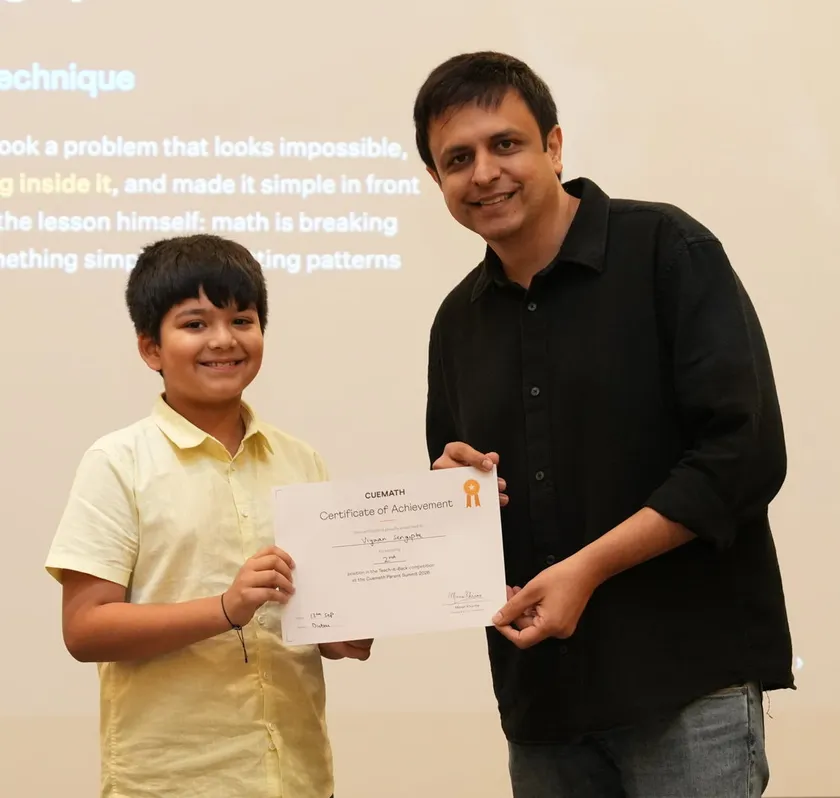
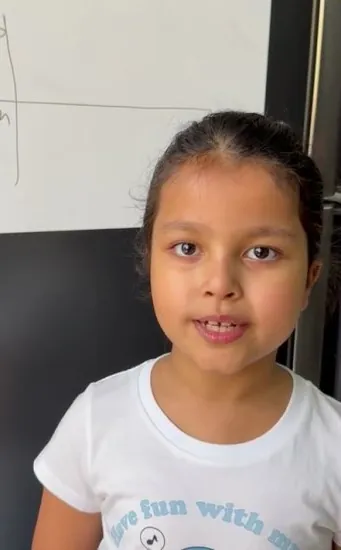
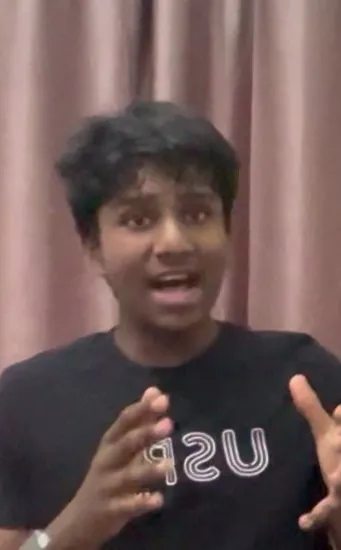
Viyaan Sengupta, G5
Dubai 2026 · Second prize
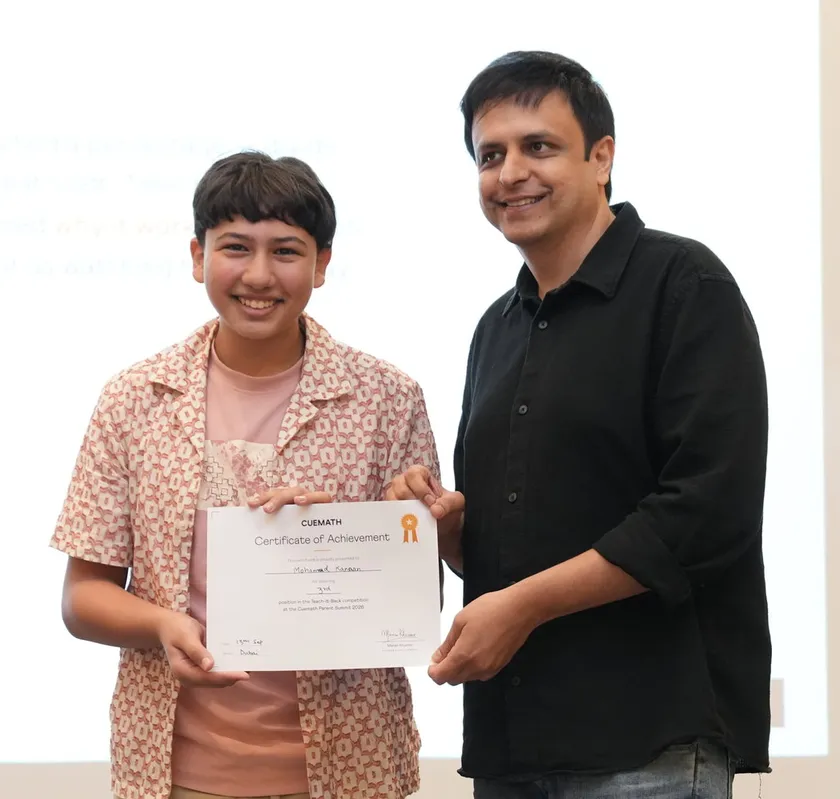
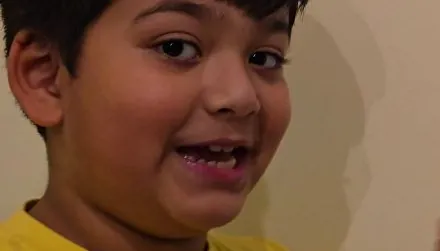
Mohamad Kanaan, G8
Dubai 2026 · Third prize
A right answer can hide a shaky understanding. Asking a child to teach it back doesn't let anything hide. Understanding a math topic builds in three levels:
You know the steps, and the answer comes out right. This is where most practice stops.
You know why each step is there. The method has reasons now, not just an order.
You can help someone who's stuck finally get it, in your own words and with your own examples. That's only possible when you truly understand it.
Say it out loud. Watch the gaps appear. Teaching it back is how you fix them.
We've received 95+ Teach-It-Back entries across all locations, and 3 winners are selected in each. In Dubai, 4 winners were picked from 67 entries on 53 different topics.
A hundred passengers, each with a meal order: what goes on the plane? She solved it with tally marks and a graph.
Nevaeh Halder KumarLoading a Plane With Data and Graphs
A hundred passengers, each with a meal order: what goes on the plane? She solved it with tally marks and a graph.
 Viyaan Sengupta
Carl Gauss' Adding Technique
He found the pattern hiding inside a problem that looks impossible, and named the lesson himself: math is breaking something complex into something simpler.
 Mohamad Kanaan
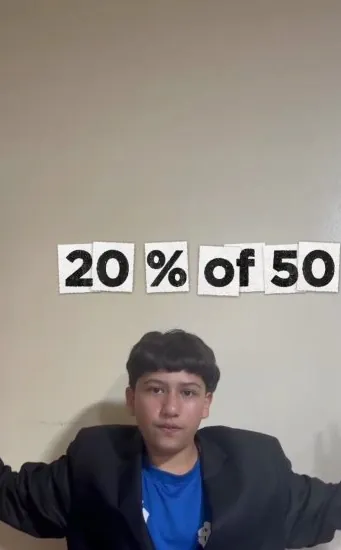
Why the Percentages Shortcut Works
Divide both numbers by ten, then multiply what is left. He did not stop at the shortcut: he explained why it works and tested it on easy numbers and hard ones.
 Mustafa Farrukh
Why a Triangle's Angles Add Up to 180°
He proved it by cutting a paper triangle into three pieces and bringing the corners together into a straight line.
In the Teach-It-Back Contest, Cuemath students pick a math topic they love and teach it on video. We look for a clear "why", not just the right answer, and celebrate the winners at our Parent Meets.
Understanding a math topic builds in three levels: solving it (the steps come out right), explaining it (each step has a reason), and teaching it (helping someone who is stuck finally get it). Most practice stops at the first level. Teaching it back takes a child all the way to the third.
The contest is open to Cuemath students from grades K–10.
Not yet. The contest is for Cuemath students, because it grows out of how they learn: explaining the why behind every idea, not just getting the answer. Every child on this page learned that way at Cuemath. If you'd like your child to learn like this too, a MathFit Evaluation is a good place to start. It shows how your child thinks about math today, and what would help next.
At present, the contest is open to Cuemath students in Australia and the U.S.
Yes. For grades K–2, you can be in the video with your child and prompt them if they get stuck. The explanation still has to come from them, in their own words.
Every entry is judged on three things, in this order: whether it explained the why over the what, whether the logic held with no jumps, and whether it was a joy to watch.
After your child solves a problem, ask them to teach it to you as if you had never seen it before. Ask "why does that step work?" and "can you show me with a different example?" If they can answer both, they understand it.