6th Grade Math
Cuemath's 6th grade math curriculum builds ratio reasoning, fraction and decimal fluency, and a first foundation in algebra and statistics — with a dedicated tutor guiding every step.
 Trustpilot

Explore This Page
Jump straight to any section below.
6th Grade Math
In the U.S., 6th grade math covers five core strands: ratios and proportions, the number system, expressions and equations, geometry, and statistics — the same five strands that define what math is taught in 6th grade nationwide. It's the year math shifts from basic arithmetic toward algebraic and proportional thinking, laying the groundwork for middle and high school math. Building on the number sense developed in grade 5, students begin a more formal path toward pre-algebra, following the same 6th grade math topics most U.S. states use to structure their standards.

Ratios and Proportional Relationships
Students learn to use ratio and rate language to describe how two quantities are related, and apply that reasoning to solve real-world problems involving percents, unit rates, and scaling recipes, maps, or models.

The Number System
This is the year students learn to divide fractions by fractions using reciprocals, simplifying answers — including mixed numbers — to simplest form, and extend their fluency to all four operations with multi-digit decimals. They're also introduced to negative numbers and absolute value on the number line, along with finding the factors, multiples, greatest common factor, and least common multiple of whole numbers.

Expressions and Equations
Students write, read, and evaluate algebraic expressions with variables, apply the order of operations — including powers of 10 — to multi-step problems, and solve one-variable equations and inequalities for the first time, their first real step into algebra.

Geometry
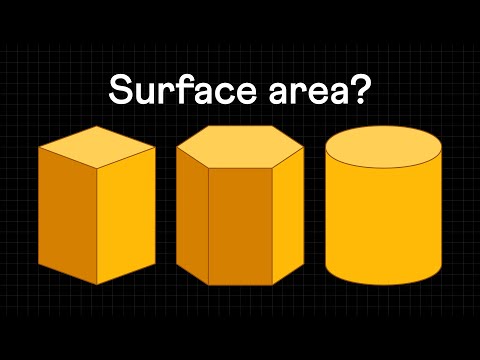
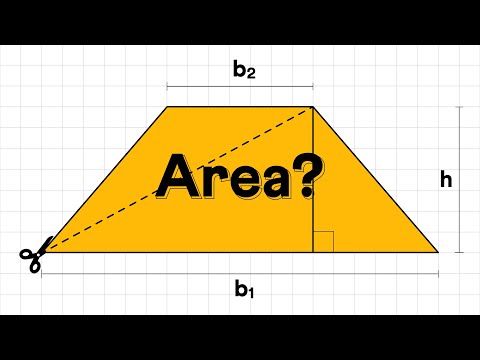
The focus moves to finding the area of 2D shapes like triangles, quadrilaterals, and composite polygons, along with the surface area and volume of 3D solids, often introduced by unfolding them into nets. Students also learn to plot points, measure distances, and draw polygons on the coordinate plane.

Statistics and Probability
Sixth graders learn to think statistically, recognizing what makes a question "statistical" rather than a question with one fixed answer, and describing a data set using measures of center like mean, median, and mode, and measures of variability like range and interquartile range — the data foundation Common Core builds on the following year when probability is formally introduced.
Together, these five strands make 6th grade one of the busiest years in a child's math education, which is why a step missed here (like fraction division or negative numbers) tends to resurface as a struggle in pre-algebra. Cuemath's 6th grade math curriculum below mirrors these five strands exactly, broken down chapter by chapter, with every lesson, 6th grade math worksheets, and practice question linked — and a 6th grade math tutor on hand if your child needs help getting unstuck.
6th Grade Math Chapters and Worksheets
Every chapter this year, grouped by unit — tap into any chapter to see its lessons, and tap the worksheet for free practice. Our 6th grade math worksheets are created by math experts to challenge students and build the critical thinking skills needed for success in pre-algebra and beyond, perfect for extra practice at home or as middle school 6th grade math worksheets to supplement classroom learning. Each one covers the same 6th grade math curriculum taught in Common Core 6th grade math classrooms, so these free, printable 6th grade math worksheets double as ready-made math problems for 6th graders, whether you're reviewing a single chapter or working through the whole year.
6th Grade Math Worksheets
6th Grade Math Curriculum
These are the 6th grade math topics and skills that build the formal foundation for algebra — strengthening ratio reasoning, extending arithmetic across the full number system, and introducing expressions, equations, and coordinate geometry — the same six 6th grade math topics covered in Cuemath's own 6th grade math curriculum above, each paired with free printable worksheets for hands-on practice.
| Topic | Key Concepts Covered |
|---|---|
| Ratios & Rates |
|
| Number System Foundations |
|
| Integers & Rational Numbers |
|
| Expressions, Equations & Early Algebra |
|
| Geometry & Measurement |
|
| Statistics |
|
Sample 6th Grade Math Problems
Want to see what 6th grade math problems actually look like? Here are six sample 6th grade math questions, one from each strand, with the answer shown underneath so you can check your child's work (or your own).
Ratios and Rates
A recipe uses 3 cups of flour for every 2 cups of sugar. If you use 9 cups of flour, how many cups of sugar do you need?
Answer: 6 cups (set up the ratio 3:2 = 9:x, so x = 6).
The Number System
Divide: 2/3 ÷ 1/4
Answer: 8/3, or 2⅔ (multiply 2/3 by the reciprocal, 4/1).
Integers
What is -8 + 15?
Answer: 7.
Expressions and Equations
Solve for x: x + 12 = 20
Answer: x = 8.
Geometry
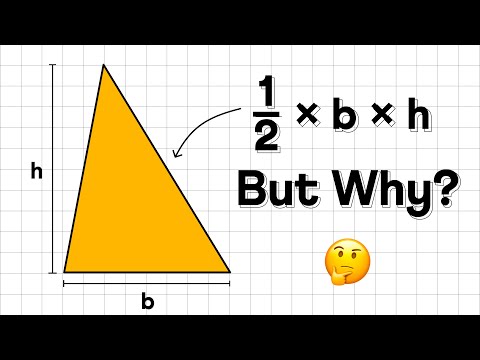
Find the area of a triangle with a base of 10 cm and a height of 6 cm.
Answer: 30 cm² (Area = ½ × base × height = ½ × 10 × 6).
Statistics
Find the mean of this data set: 4, 8, 6, 10, 2
Answer: 6 (the sum, 30, divided by 5 values).
6th Grade Math

Same Tutor, Every Session
Your child works with one dedicated 6th grade math tutor long-term, not a rotating roster, building the kind of trust that makes it easy to ask questions without hesitation.

Personalized to Their Pace
Every lesson adapts to your child's current level and the pace they need, not a fixed, one-size-fits-all curriculum.

Built on Common Core
Our 6th grade math curriculum follows Common Core and state standards, covering all six strands from ratios to statistics.

Worksheets, Games & a Gamified Platform
Practice sticks when it feels like play — challenging 6th grade worksheets, interactive games for equations and ratios, and a gamified platform built to keep your child fully focused.
6th Grade Math Tutors
Expert math tutors who bring years of teaching experience to every 6th grade math lesson.

Sonal Kesal
25+ Years Teaching Experience
Bachelor of Education in Biology
“I find joy in the spark of understanding I see in my students when a concept finally clicks.”

Suchitra Kumar
18+ Years Teaching Experience
Bachelor of Science in Mathematics
“Math is more than just numbers. It sparks curiosity, fosters creativity, and ignites a lifelong passion for learning.”

Umamaheshwari Umahs
16+ Years Teaching Experience
Bachelor of Science in Mathematics
“My passion for teaching is fueled by witnessing my students transition from apprehension to enthusiasm towards math.”

Jothi Mohan
14+ Years Teaching Experience
Bachelor & Master of Science in Mathematics
“Math not only helps children think critically but also provides them with the ability to solve everyday problems.”
6th Grade Math
With Cuemath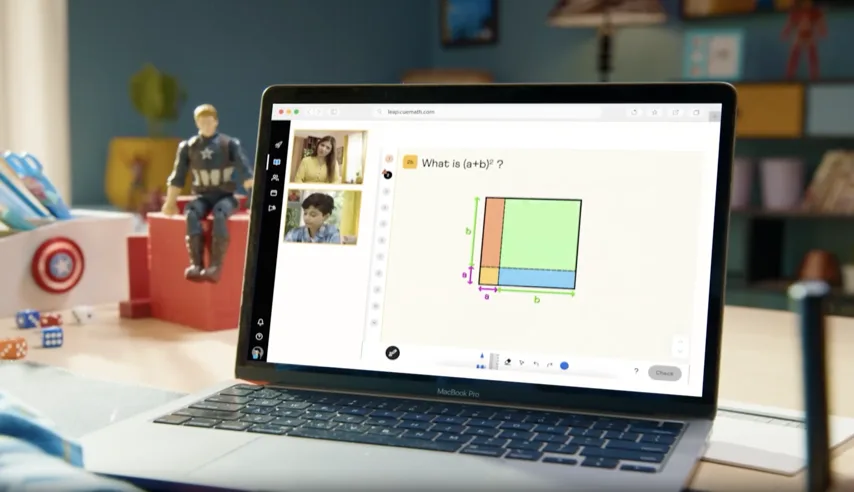
A Big Jump in Abstraction
6th grade math introduces genuinely abstract concepts — negative numbers, variables, one-variable equations and inequalities, coordinate geometry — that can be a real jump for a child used to arithmetic.
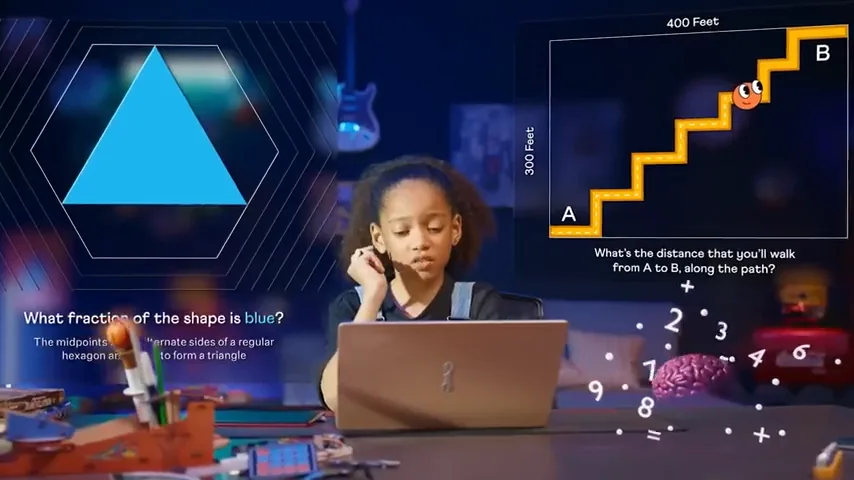
1:1 Pre-Algebra Tutoring
Cuemath helps students master this critical pre-algebra foundation with 1:1 personalized tutoring from a dedicated 6th grade math tutor who breaks down topics like proportional reasoning, ratios, and solving equations in a way your child will actually understand.
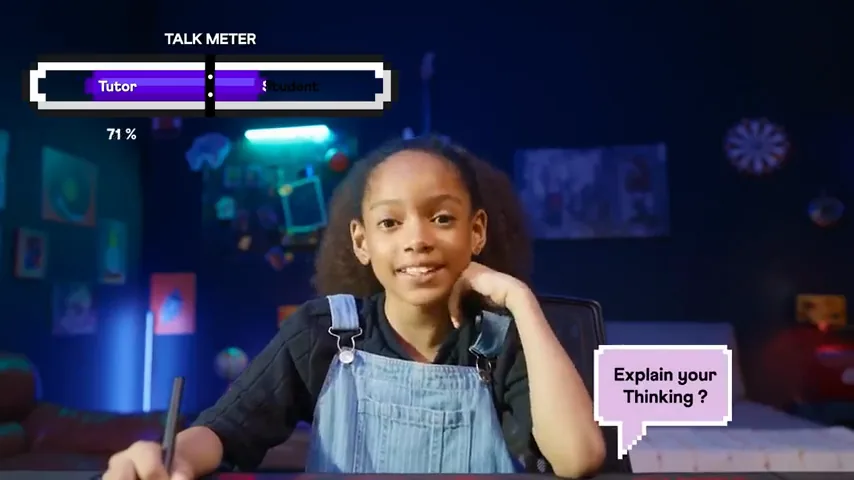
Every Question Gets Answered
Unlike a classroom setting where questions can go unanswered, our tutors provide the focused, individual support needed to build confidence and ensure a strong start to middle school math.
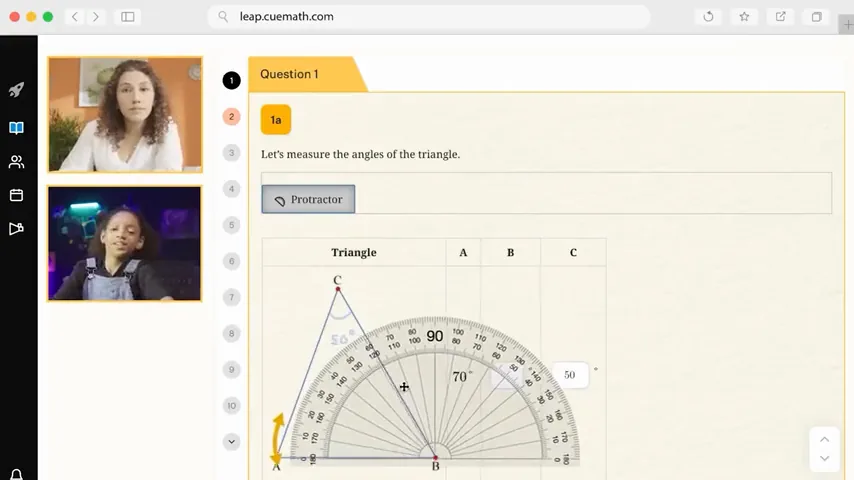
The Same Tutor, Long-Term
We believe trusted, engaging teachers who connect well with children matter deeply — that's why your child learns with the same 6th grade math tutor long-term, fostering a deep trust and understanding that feels supportive and consistent, not a rotating cast of strangers.
In our 100% personalized online 6th grade math class, the tutor doesn't just teach 6th grade math topics; they listen, guide, and encourage. This strong bond creates a safe space where kids feel comfortable asking questions and expressing confusion without any hesitation. They become eager, confident learners who ace 6th grade math and head into 7th grade already thinking like pre-algebra students.
Learn from Videos
Quick video explanations for tricky 6th grade math topics.

Explore Other Grade Levels
6th grade math moves students from arithmetic into the start of algebra and data analysis. The year covers six core strands: ratios and rates, the number system (fractions, decimals, and negative numbers), expressions and one-variable equations, geometry and measurement, and statistics — the first year most US curricula formally introduce algebraic thinking. Cuemath's 6th grade math curriculum covers every one of these strands in detail below.
What do you learn in 6th grade math? Parents often ask the same thing in different words — what math is taught in 6th grade, what do kids learn in 6th grade math, or simply what kind of math do you learn in 6th grade. The answer is the same either way: ratios and unit rates, percentages, dividing fractions by fractions using reciprocals, all four operations with decimals, integers and rational numbers on a number line, writing and solving one-variable equations and inequalities, finding the area of polygons and volume of rectangular prisms, plotting points on the coordinate plane, and describing data using mean, median, mode, range, and box plots.
What does learning 6th grade math look like day to day, in an average class? Expect a mix of direct instruction, guided practice, and independent problem-solving — usually built around one topic per unit (say, two weeks on ratios, then two weeks on dividing fractions) with a quiz or test at the end of each. Homework is typically a short worksheet reinforcing that day's skill, and most 6th grade math classrooms now use some mix of textbook, online practice platform, and hands-on manipulatives for topics like integers and the coordinate plane.
Officially, it's just "Grade 6 Mathematics" under the Common Core standards most US states use. Some districts label the standard-pace course "Math 6," while a faster-paced version for advanced students is usually called "Accelerated Math 6" or "Honors Math 6." Whatever your school calls it, the content covered is the same six strands.
Yes — 6th grade math introduces early algebra skills like writing and solving one-variable equations, inequalities, and algebraic expressions. Pre-algebra itself is introduced as its own dedicated course (covering integer operations, linear equations, and an introduction to functions) in 7th or 8th grade, building directly on this foundation.
Accelerated (or compacted) 6th grade math combines two years of standard curriculum into one, so strong students can reach Algebra 1 by 8th grade instead of 9th. If you're asking what does accelerated math mean in 6th grade specifically for your child's school, it almost always means this compacted, faster-paced track. It moves faster through ratios, the number system, and early equations, which is why many accelerated students benefit from 1:1 support to keep pace without gaps.
"Honors" and "accelerated" are often used interchangeably, but where districts draw a line, honors 6th grade math usually means the same six strands taught at a faster pace with more depth and more challenging problems, while accelerated math specifically compacts two grade levels of content into one. Either way, 6th graders in an honors or accelerated track cover more ground than the standard course, which is where 1:1 tutoring tends to help the most — there's no slowing down to wait for the rest of the class.
It can feel like a jump from 5th grade — negative numbers, dividing fractions by fractions, and writing algebraic expressions are all new, more abstract skills. Most of the difficulty comes from needing a solid 5th grade foundation, especially fractions, before these concepts click.